
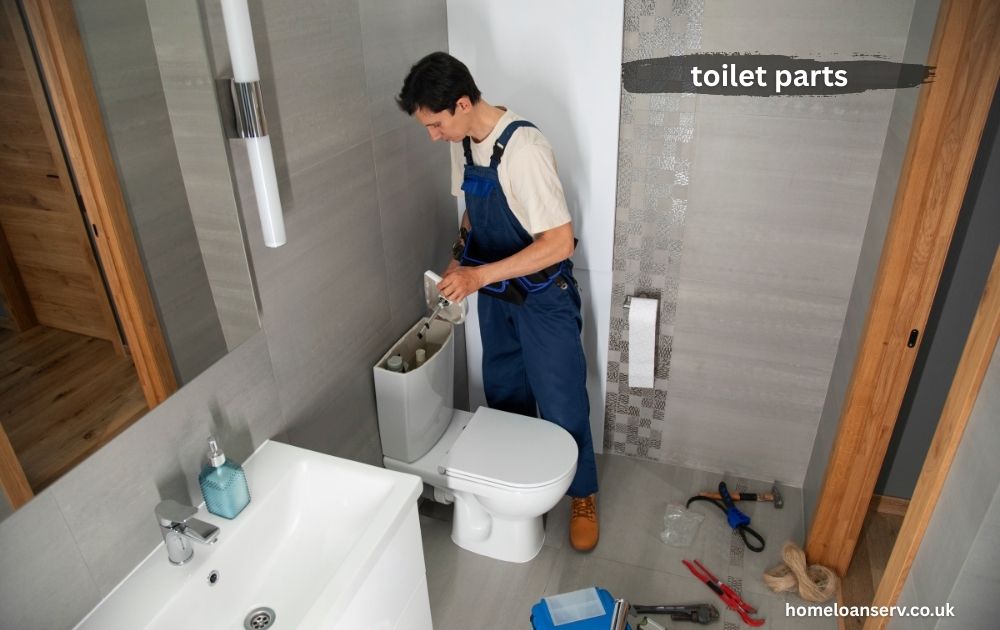
Most people never think about their toilet parts until something stops working the way it should. The toilet sits quietly in the corner of the bathroom, doing its job without complaint, until one day a strange sound or a slow leak reminds us how much we rely on its parts. Understanding the basic toilet parts that make it function is not about becoming a plumber overnight, but about feeling a little more at ease in your own home. A calm, informed approach to home maintenance often begins with small pieces of knowledge like this.
What Toilet Parts Actually Do
A toilet may look like a single simple object, but it is really a small system of toilet parts working together in careful coordination. These toilet parts include everything from the tank components to the bowl, the seat, the supply line, and the wax ring that seals it to the floor. Each of these toilet parts has a specific purpose, and when one begins to wear down, it can affect the performance of the whole unit. Taking a moment to understand these toilet parts individually makes troubleshooting far less intimidating.
Inside the Tank: Where Most of the Work Happens
The tank is where most of the meaningful mechanical activity takes place, even though its toilet parts are often overlooked. Toilet tank parts such as the flush valve, fill valve, flapper, and overflow tube all work together each time the toilet is flushed. Water is released, refilled, and carefully measured so that these toilet parts quietly reset for the next use. When something feels off, such as a toilet running longer than usual, the tank’s toilet parts are usually the first place worth checking.
The Flush Valve and Its Gentle Role
Among the many toilet parts inside the tank, the flush valve sits at the base and quietly controls how water moves into the bowl. When this part wears down, the whole flushing rhythm can start to feel a little uneven.
- Releases water from the tank into the bowl during each flush
- Works closely with the flapper, another key toilet part, to form a proper seal
- Can wear down or shift out of place over time, leading to a weak flush
- Is usually simple to replace, restoring smooth performance quickly
Understanding the Fill Valve
The fill valve is one of the toilet parts responsible for refilling the tank once it has emptied, and it does so by sensing the water level as it rises. Most modern fill valves are float-operated, adjusting automatically once the water reaches the appropriate height. When this part becomes faulty, you may notice the tank overfilling, running slowly, or making an unusual whistling sound. A new fill valve is inexpensive and usually easy to install, making it one of the more approachable toilet parts for a beginner to replace.
The Flapper: Small but Essential
Though it may seem like a minor rubber piece, the flapper is one of the toilet parts that plays an outsized role in how efficiently a toilet operates. It creates the seal that holds water in the tank between flushes, and any warping or cracking can lead to slow leaks that quietly waste water. Many people notice a flapper issue only when their water bill unexpectedly rises. Fortunately, flappers are among the simplest and most affordable toilet parts to replace.
The Overflow Tube’s Protective Purpose
The overflow tube is one of the quieter toilet parts, existing as a safeguard that prevents the tank from filling beyond a safe level and causing water to spill onto the floor. It works quietly in the background, rarely needing attention unless the fill valve malfunctions. If water is seen flowing directly into the overflow tube constantly, it usually signals that neighboring toilet parts, like the fill valve, need adjustment or replacement. This small but important piece reminds us how every one of the toilet parts is designed with care.
The Supply Line and Water Connection
Outside the tank, the supply line is one of the toilet parts that connects the fixture to the home’s water source, delivering a steady flow whenever needed. These lines can degrade over time, especially older rubber versions, leading to leaks or reduced water pressure. Braided stainless steel supply lines are often recommended as a durable, long-lasting replacement among modern toilet parts. Checking this connection periodically is a simple way to prevent unexpected water damage.
The Wax Ring and Its Silent Seal
Beneath the toilet, at the point where it meets the floor, sits the wax ring, one of the more unassuming yet critical toilet parts in the entire system. It creates a watertight seal that prevents leaks and unpleasant odors from escaping into the bathroom. A failing wax ring often reveals itself through a faint smell or moisture around the base of the toilet. Replacing this part, like many toilet parts, requires removing the toilet temporarily, but it is a manageable project for those willing to take their time.
The Handle and Flush Mechanism
The flush handle may seem like the simplest of all toilet parts, yet it plays a direct role in triggering the entire flushing process. Connected internally to the flush valve or flapper, a loose or stiff handle can prevent a proper flush from occurring. Sometimes tightening an internal nut is all that is needed, while other times the entire handle assembly, along with its connecting toilet parts, requires replacement. This is often the first of the toilet parts people notice when something feels not quite right.
The Bowl and Its Lasting Durability
Unlike the smaller mechanical toilet parts, the bowl itself is built to last for many years, often outliving several rounds of internal repairs. Made from vitreous china, it is designed to resist staining, cracking, and general wear under normal use. Occasionally, hairline cracks can develop, especially in older toilets, leading to slow leaks that are easy to miss. When this happens, replacing the bowl becomes necessary, though this is a rare occurrence compared to the failure of smaller toilet parts.
The Seat: Comfort Meets Function
Though often replaced simply for comfort or aesthetic reasons, the toilet seat is technically one of its parts as well, sitting among the more visible toilet parts in the bathroom. Seats can loosen over time, wobble, or develop cracks that make them uncomfortable to use. Replacing a seat is one of the easiest repairs among all toilet parts, requiring only a wrench and a few minutes of attention. Many people update their seat simply to refresh the look of an older bathroom.
Kohler Toilet Parts and Their Thoughtful Design
Kohler has built a long-standing reputation for combining reliability with quiet, thoughtful design in every one of its toilet parts. Kohler toilet parts are often engineered to fit precisely with specific model lines, which means identifying the correct part number is an important first step before ordering. From fill valves to complete flush assemblies, these toilet parts tend to reflect the brand’s broader commitment to durability and water efficiency. Homeowners with Kohler toilets often find that sourcing genuine replacement toilet parts helps preserve the smooth performance the brand is known for.
Finding the Right Kohler Replacement
Because Kohler produces many different toilet models, finding the correct replacement among its toilet parts requires a bit of patience and attention to detail. Checking the underside of the tank lid or the base of the toilet often reveals a model number that can guide the search for the right toilet parts. Using this number when searching for parts helps avoid the frustration of ordering toilet parts that do not quite fit. Taking this extra step at the beginning saves considerable time later in the repair process.
American Standard Toilet Parts and Everyday Reliability
American Standard has earned its place as one of the most trusted names in bathroom fixtures, known for straightforward, dependable toilet parts. American Standard toilet parts are generally designed with ease of maintenance in mind, making them approachable even for those without much plumbing experience. Whether replacing a flapper, a fill valve, or a flush handle, most of these toilet parts are designed to install without specialized tools. This accessibility is part of why the brand remains a popular choice in homes and public buildings alike.
Matching Parts to an American Standard Model
Just as with Kohler, finding the correct American Standard toilet parts depends on identifying the specific model of the toilet. Many parts are designed to be compatible across several models, though slight variations can still affect how well certain toilet parts fit. Taking a photo of the part before removing it can be a helpful way to compare it accurately when shopping for replacement toilet parts. This small precaution often prevents the need for a second trip to the store.
Common Signs a Part Needs Replacing
Toilets tend to communicate the condition of their toilet parts through small, subtle signals rather than sudden failures. Paying attention to these gentle cues from your toilet parts allows for simple, affordable repairs rather than costly problems later.
- A tank that continuously operates or replenishes itself
- A weak or incomplete flush
- A handle that feels loose, stiff, or unresponsive
- Moisture or water accumulation around the toilet’s base
- A faint, unusual odor near the toilet
The Value of Genuine Replacement Parts
While generic components may seem like a convenient shortcut, genuine toilet parts are often worth the extra effort to source correctly. They are designed specifically for the toilet’s model, ensuring a proper fit and consistent performance over time. Using mismatched toilet parts can sometimes lead to leaks, inefficient flushing, or repeated repairs. Investing in the right toilet parts from the start tends to be the more peaceful and cost-effective choice in the long run.
DIY Repairs Versus Calling a Professional
Many repairs involving common toilet parts, such as replacing a flapper or fill valve, are well within reach for most homeowners with a little patience. Other tasks, like resealing a wax ring or addressing a cracked bowl, may benefit from professional assistance, especially for those less comfortable handling toilet parts on their own. There is no shame in calling for help when a task feels beyond one’s comfort level. What matters most is ensuring the repair to your toilet parts is done correctly, whichever path is chosen.
Everyday Maintenance for Long-Term Peace of Mind
Simple habits, such as periodically checking the supply line, testing the flush, and inspecting the base for moisture, can go a long way in keeping toilet parts in good condition. These small checks take only a few minutes but can catch problems with toilet parts before they grow more serious. A little consistency in maintaining these toilet parts often brings a quiet sense of control and confidence. Over time, this attentiveness becomes a natural part of caring for the home.
A Closing Thought on Caring for the Small Things
There is a gentle kind of satisfaction that comes from understanding the small toilet parts that keep a home running smoothly. Toilet parts may seem like an unglamorous subject, but knowing how they work brings a sense of calm and capability when something eventually needs attention. Whether dealing with Kohler toilet parts, American Standard toilet parts, or general toilet tank parts, a little knowledge goes a long way. In the end, caring for these small toilet parts is simply another quiet way of caring for the home itself.