
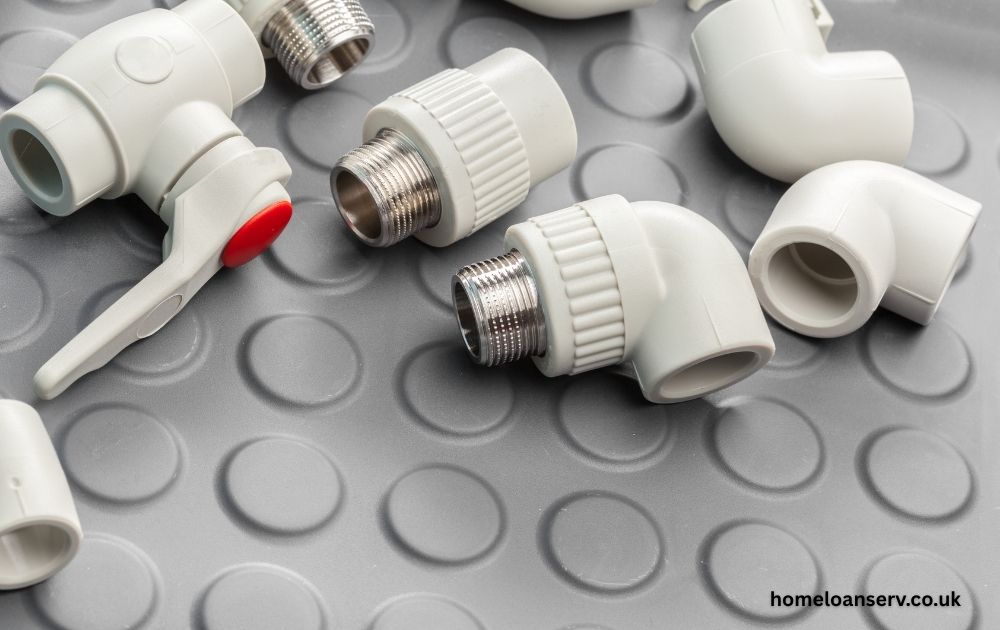
There is something wonderfully unassuming about the pipes running behind our walls, beneath our streets, and through our gardens. Among them, plastic pipe pvc has earned a gentle sort of trust over the decades, not because it demands attention, but because it simply works. It carries water, protects wiring, and drains waste without ever asking to be noticed. This quiet dependability is exactly why plastic pipe pvc deserves a closer, more appreciative look.
What Is PVC Pipe
Plastic pipe pvc stands for polyvinyl chloride, a type of plastic that has become one of the most widely produced materials in the world. It is formed by combining chlorine and ethylene, two elements that, once processed, create a strong yet workable substance. This substance is then shaped into the rigid tubing that we recognize today as plastic pipe pvc. Its simplicity in composition belies just how versatile and essential it has become in everyday infrastructure.
The History Behind Plastic Pipe PVC
The story of plastic pipe pvc begins in the early twentieth century, when scientists were experimenting with new synthetic materials to replace traditional ones like iron and clay. By the 1950s, plastic pipe pvc began appearing in plumbing systems across Europe and North America, offering a lighter and more affordable option. Over time, manufacturers refined the formula to improve strength and flexibility. What started as an experimental material slowly became a trusted staple in construction.
Why Plastic Pipe PVC Is Widely Used
Few materials manage to balance affordability, durability, and ease of use quite like plastic pipe pvc. Builders and homeowners alike appreciate that it does not rust, warp, or crack under normal conditions, even after years of continuous use. It also requires far less maintenance than metal alternatives, which makes it especially appealing for long-term projects. This combination of practicality and low upkeep has cemented the place of plastic pipe pvc in modern building practices.
Understanding the Plastic Pipe PVC Composition
At its core, plastic pipe pvc is made from a blend of PVC resin, stabilizers, and other additives that enhance its performance. These additives help the material resist temperature changes, ultraviolet exposure, and general wear over time. The result is a product that remains stable whether it is buried underground or exposed to sunlight. This careful composition is part of why plastic pipe pvc has remained so reliable across different climates and conditions.
Common Applications of Plastic Pipe PVC
From city water mains to backyard sprinkler systems, plastic pipe pvc finds its way into a remarkable range of applications, quietly adapting to fit almost any project imaginable.
- Residential and commercial water supply lines
- Sewage and drainage systems
- Stormwater management networks
- Swimming pool plumbing
- Agricultural irrigation setups
- Electrical conduit protection
Plastic Pipe PVC in Residential Plumbing
Inside homes, plastic pipe pvc plays a foundational role in delivering clean water and removing wastewater safely. It is commonly used for drain, waste, and vent systems, where its smooth interior helps prevent buildup and clogging. Homeowners often prefer plastic pipe pvc because it is easier to install than metal piping, especially in tight spaces. Its lightweight nature also means less strain on the structure supporting it, which adds to its long-term reliability.
Plastic Pipe PVC in Agricultural Irrigation
Farmers and gardeners have long relied on plastic pipe pvc to move water efficiently across fields and gardens. Because it resists corrosion from fertilizers and other chemicals, it holds up far better than older metal irrigation systems. Its lightweight design also makes it easier to transport and install across large areas of land. This has made plastic pipe pvc an essential tool in sustainable and efficient farming practices.
Plastic Pipe PVC in Electrical Conduit Systems
Beyond plumbing, plastic pipe pvc also serves an important role in protecting electrical wiring. As a non-conductive material, it provides a safe barrier between wires and the surrounding environment, reducing the risk of electrical hazards. It is often used in both residential and industrial settings where wiring needs to be shielded from moisture or physical damage. This added layer of protection speaks to the quiet versatility of plastic pipe pvc beyond just water systems.
Durability and Longevity of Plastic Pipe PVC
One of the most reassuring qualities of plastic pipe pvc is how long it can last without significant deterioration. Many installations remain functional for fifty years or more, provided they are properly installed and maintained. This longevity reduces the need for frequent replacements, saving both money and resources over time. Plastic pipe pvc is a material that rewards patience, quietly proving its worth decade after decade.
Resistance to Corrosion and Rust
Unlike metal pipes, plastic pipe pvc does not rust or corrode when exposed to water or humidity. This resistance makes it particularly well suited for underground installations, where moisture exposure is a constant concern. Traditional materials like iron often weaken over time due to oxidation, but plastic pipe pvc remains structurally sound. This single characteristic has saved countless households and municipalities from costly repairs and replacements.
Lightweight Nature of Plastic Pipe PVC
Compared to metal or concrete piping, plastic pipe pvc is remarkably light, making it easier to handle during installation. A single worker can often carry and maneuver lengths of plastic pipe pvc without the need for heavy machinery. This reduces both labor costs and the physical strain placed on installation teams. Its light weight also makes shipping and storage considerably more convenient for suppliers and contractors alike.
Cost-Effectiveness of Plastic Pipe PVC
Affordability remains one of the biggest draws of plastic pipe pvc for both large-scale projects and small home repairs. It is generally less expensive to manufacture and purchase than metal alternatives, without sacrificing performance or safety. This cost advantage extends to installation as well, since plastic pipe pvc requires fewer specialized tools and less labor time. For budget-conscious builders, this makes it an easy and sensible choice.
Ease of Installation
Installing plastic pipe pvc is a process that many homeowners can learn to do themselves with a bit of guidance and patience. The pipes are typically joined using solvent cement, which creates a strong, permanent bond between sections. This straightforward method eliminates the need for welding or soldering, which are often required with metal piping. As a result, even beginners can complete small plumbing projects with plastic pipe pvc confidently and carefully.
The Role of a PVC Plastic Pipe Cutter
Of course, working with any plastic pipe pvc requires the right tools, and this is where a good pvc plastic pipe cutter becomes essential. A quality cutter turns a task that could feel messy into one that is clean, safe, and satisfying.
- Delivers precise, straight cuts without jagged edges
- Prevents splintering that a standard saw often causes
- Helps each joint of plastic pipe pvc fit together smoothly
- lowers the possibility of leaks brought on by uneven cutting
- Makes plumbing projects more manageable, even for beginners
Choosing the Right PVC Plastic Pipe Cutter
Not all cutters are created equal, and selecting the right one for your plastic pipe pvc depends largely on the size and thickness of the pipe being cut. Ratchet-style cutters work well for smaller diameter pipes, offering quick and effortless cuts with minimal force. For larger pipes, a scissor-style or wheel cutter may be more appropriate, providing better leverage and control. Taking the time to choose the right tool ultimately saves both effort and material.
Tips for Cutting Plastic Pipe PVC Cleanly
A clean cut on plastic pipe pvc starts with a steady hand and a bit of preparation. A few simple habits can make the whole process smoother and more precise.
- Mark the cutting line clearly before you begin
- Hold the pipe steady and keep the cutter perpendicular
- Use slow, even pressure instead of forcing the blade
- Lightly sand the edge afterward to remove any burrs
Maintaining Plastic Pipe PVC Systems
Although plastic pipe pvc requires relatively little upkeep, occasional inspection can help catch small issues before they become larger problems. Checking joints for signs of wear or slight separation ensures that the system continues to function properly over time. Keeping the surrounding area free of excessive pressure or physical stress also helps preserve the structural integrity of plastic pipe pvc. A little attention now and then goes a long way in extending its already impressive lifespan.
Environmental Considerations
As with many synthetic materials, plastic pipe pvc does raise some environmental questions, particularly around production and disposal. However, its long lifespan and reduced need for replacement help offset some of these concerns by minimizing waste over time. Many manufacturers have also begun offering recycling programs to responsibly repurpose old plastic pipe pvc. Being mindful of proper disposal and recycling options allows users to enjoy its benefits while remaining thoughtful about its impact.
Common Sizes and Types of Plastic Pipe PVC
Plastic pipe pvc comes in a wide range of sizes and schedules, each suited to a different pressure level and application. This variety makes it simple to find the right fit for almost any project, big or small.
- Schedule 40: the most common choice for residential plumbing
- Schedule 80: thicker walls built for higher pressure situations
- Small diameters (½ inch and up): ideal for irrigation and garden use
- Larger diameters: used in municipal water and drainage systems
Signs Your Plastic Pipe PVC Needs Attention
Even durable materials occasionally show signs that something needs to be addressed, and plastic pipe pvc is no exception. Visible cracks, discoloration, or slight bowing along the pipe can indicate stress or age-related wear. Unusual water pressure changes or unexpected leaks near joints are also worth investigating promptly. Catching these small signs early in your plastic pipe pvc can prevent more significant and costly repairs down the road.
Comparing Plastic Pipe PVC to Other Materials
When placed alongside materials like copper, cast iron, or PEX, plastic pipe pvc often stands out for its balance of affordability and low maintenance. Copper offers excellent durability but comes at a significantly higher cost, while cast iron is heavy and prone to corrosion over time. PEX, though flexible, is sometimes more vulnerable to UV exposure than plastic pipe pvc. Each material has its place, but plastic pipe pvc continues to hold a well-earned reputation for practicality.
The Future of Plastic Pipe PVC
As construction technology continues to evolve, plastic pipe pvc is likely to remain a central material for years to come. Ongoing research into more sustainable manufacturing processes aims to reduce its environmental footprint even further. Innovations in recycling and material recovery are also making it easier to reuse plastic pipe pvc responsibly. This forward momentum suggests that its quiet reliability will continue well into the future.
Final Thoughts
There is something almost poetic about how plastic pipe pvc represents progress made gently, without fanfare or unnecessary complexity. It replaced heavier, more fragile materials while offering builders a solution that was both affordable and long lasting. It does not seek recognition, yet plastic pipe pvc plays a foundational role in the comfort of modern homes and the reliability of essential systems. Somewhere behind the walls of your home, this humble material is quietly doing its part, asking for nothing in return but a little care.