
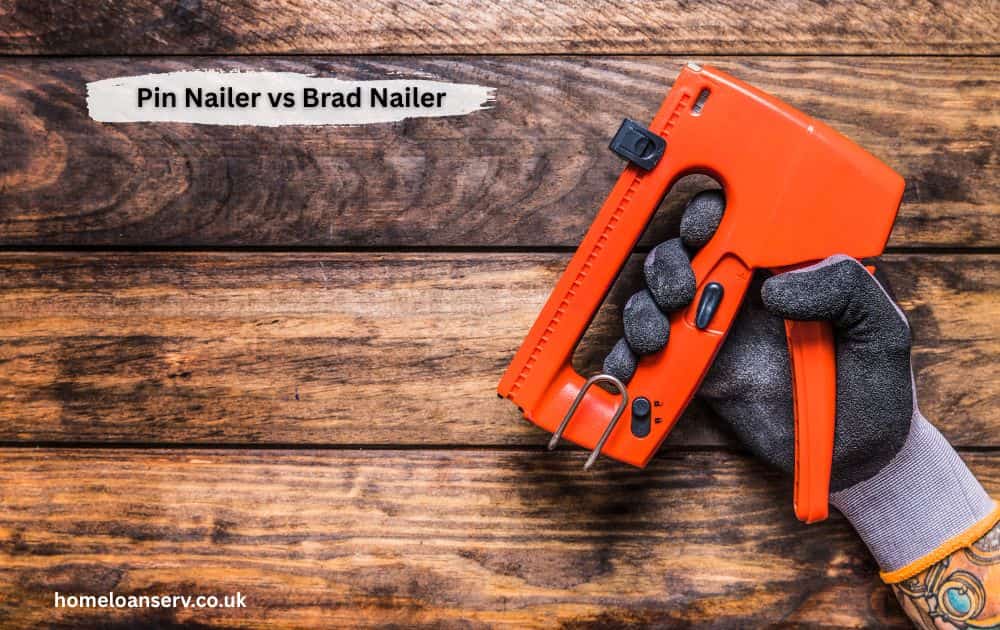
Choosing between a pin nailer and a brad nailer often feels harder than it should, mostly because both tools look alike and promise similar results. Yet once you slow down and look past the surface, the differences begin to reveal themselves gently rather than dramatically. This article walks through the pin nailer vs brad nailer conversation in a calm, practical way, so you can feel confident rather than confused. By the end, the pin nailer vs brad nailer decision should feel less like guesswork and more like a natural extension of the project sitting in front of you.
What Is a Brad Nailer
A brad nailer is a compact tool designed to drive thin eighteen gauge nails into wood with enough force to hold pieces together securely. It is often the first nailer people buy, and in the ongoing pin nailer vs brad nailer conversation, it strikes a comfortable balance between strength and subtlety. Woodworkers reach for it when attaching trim, assembling small furniture, or securing panels that need a bit more support than glue alone can offer. Its versatility makes it a dependable companion for a wide range of everyday carpentry tasks around the home.
What Is a Pin Nailer
A pin nailer takes a gentler approach, using extremely thin twenty three gauge pins that leave nearly invisible holes behind. Because the pins are so slender, they do not hold pieces together with much force on their own, which is a key detail in any pin nailer vs brad nailer comparison. It shines in situations where visible marks would ruin the finished look of a piece. For delicate trim, small embellishments, and detail work, a pin nailer offers a level of care that other tools simply cannot match.
Gauge and Nail Thickness Explained
Understanding gauge numbers helps make sense of the pin nailer vs brad nailer debate almost immediately. In fastener terminology, a higher gauge number means a thinner nail, so twenty three gauge pins are noticeably thinner than eighteen gauge brads. This thickness difference directly affects how visible the hole will be once the nail is driven into the wood. Thinner nails leave smaller marks but offer less holding strength, while thicker nails provide more support at the cost of a slightly larger, more noticeable entry point.
Holding Strength Compared
When it comes to holding strength, the pin nailer vs brad nailer comparison tips clearly in favor of the brad. The thicker eighteen gauge nails grip wood fibers more firmly, allowing pieces to stay in position without much additional support. Pin nailers, by contrast, rely heavily on wood glue to create a lasting bond, since the pins themselves offer only temporary resistance. This distinction becomes especially important when working on load-bearing trim or furniture joints that need to withstand daily use and handling over time.
Hole Size and Visible Marks
One of the most noticeable differences in the pin nailer vs brad nailer discussion involves the size of the hole each tool leaves behind. Brad nails typically require a small dab of wood filler to hide their entry point, especially on painted or stained surfaces. Pin nails, on the other hand, often leave marks so tiny that filling becomes optional rather than necessary. This makes pin nailers especially appealing for projects where a flawless, seamless surface matters more than raw structural strength.
Best Uses for a Brad Nailer
Brad nailers earn their keep on projects that need a bit more muscle behind each fastener, which is often the deciding factor in a pin nailer vs brad nailer choice. Baseboards, door casings, cabinet backs, and small furniture assemblies all benefit from the added holding power these tools provide. Because the nails are thicker, pieces stay aligned more reliably while adhesives cure or additional support is added. For anyone tackling home improvement tasks that involve moderate weight or stress, a brad nailer often becomes the more practical and dependable choice.
Best Uses for a Pin Nailer
Pin nailers find their purpose in quieter, more delicate corners of woodworking, and revisiting the pin nailer vs brad nailer question here usually favors the pin. Thin decorative molding, small craft pieces, and fragile trim all benefit from a fastener that leaves almost no trace behind. Furniture makers often use pin nailers to hold pieces steady while glue sets, rather than depending on the nail itself for lasting strength. When appearance and precision matter more than raw holding power, a pin nailer becomes the tool that quietly gets the job done.
Working with Delicate Trim
Delicate trim work requires a gentle touch, and this is where the pin nailer vs brad nailer comparison leans firmly toward the pin nailer. Thin strips of molding can crack or split under the pressure of a thicker brad nail, especially near edges or corners. A pin nailer reduces that risk significantly, allowing woodworkers to secure fragile pieces without worrying about visible damage. This careful approach often makes the difference between a professional-looking finish and one that shows small, frustrating imperfections after the work is done.
Working with Furniture Projects
Furniture projects often call for a combination of strength and subtlety, which is why the pin nailer vs brad nailer question rarely has a single answer for builders who keep both tools within reach. Structural elements like drawer frames or table legs benefit from the added support of a brad nailer, while decorative trim pieces often rely on the discretion of a pin nailer. Understanding when to switch between the two tools allows for cleaner results and sturdier construction. This thoughtful balance is often what separates amateur furniture work from something built to last.
The Role of Wood Glue
Wood glue plays a quietly essential role in any pin nailer vs brad nailer conversation, since the pin tool depends on adhesive bonding far more than mechanical strength. Brad nailers can often stand on their own, while pin nailers usually need glue to hold long term.
- Glue provides the lasting bond, while the pin nailer simply holds the piece steady until it cures
- Brad nailers offer more standalone strength, reducing how much they rely on glue
- Skipping glue with a pin nailer is one of the most common causes of pieces loosening over time
Depth Adjustment and Control
Both tools typically offer some form of depth adjustment, and this is another small but meaningful detail in the pin nailer vs brad nailer comparison. This feature becomes especially important when working with softer woods that bruise easily under too much pressure. Brad nailers may require more careful calibration due to their thicker nails, while pin nailers tend to be more forgiving because of their finer gauge. Learning to adjust depth settings properly helps prevent surface damage and ensures a cleaner, more polished result.
Price and Investment Considerations
Price often plays a practical role in the pin nailer vs brad nailer decision, especially for beginners building out their first workshop. Brad nailers tend to be slightly more affordable and versatile, making them a popular starting point for many hobbyists. Pin nailers, while sometimes priced similarly, are often considered a more specialized addition rather than an essential first purchase. Over time, many woodworkers find themselves investing in both, since each tool serves a distinct and valuable purpose.
Noise and Recoil Differences
Noise and recoil are small but meaningful factors that can shape the overall experience in any pin nailer vs brad nailer comparison. Brad nailers, due to their thicker nails, tend to produce a slightly stronger kickback and a more noticeable sound with each shot. Pin nailers generally feel gentler in the hand, producing less recoil and a quieter operation overall. For those working on detailed projects for extended periods, this subtle difference in comfort can make a meaningful impact on the experience.
Ease of Use for Beginners
Beginners often find the pin nailer vs brad nailer learning curve tilts toward the brad, since it is more forgiving to learn on thanks to its straightforward operation and reliable holding power. The margin for error tends to be a bit wider, since the thicker nails compensate slightly for imperfect angles or placement. Pin nailers require a touch more patience, since their thin pins offer less structural forgiveness and depend heavily on proper glue application. With a little practice, though, most beginners find themselves comfortable with either tool fairly quickly.
Project Size and Material Thickness
The size and thickness of your materials often guide the pin nailer vs brad nailer decision more than personal preference does. Thicker boards and larger trim pieces generally call for the added strength of a brad nailer, while thinner materials benefit from the subtlety of a pin nailer. Matching the tool to the material helps prevent splitting, cracking, or visible damage during assembly. Taking a moment to consider material thickness before starting can save significant time and frustration later in the process.
Common Mistakes to Avoid
Most pin nailer vs brad nailer frustrations come down to a few small, avoidable habits rather than the tools themselves. Slowing down and matching the tool to the task usually solves the problem before it starts.
- Assuming a pin nailer can fully replace a brad nailer on structural work
- Skipping wood glue when using a pin nailer, leaving joints loose over time
- Rushing depth adjustments, causing nails to sit too deep or too shallow
- Using a brad nailer on thin, fragile trim that a pin nailer would handle more safely
Can You Use Both Tools Together
Many experienced woodworkers eventually decide the pin nailer vs brad nailer question does not need a single winner, since both tools can be used together within one project. A brad nailer might secure the main structural framework, while a pin nailer handles delicate trim details layered on top. This combination allows for both strength and a refined, polished appearance in the same piece. Rather than choosing one tool permanently, many builders find that flexibility between the two produces the most satisfying results.
Choosing Based on Your Project Type
The pin nailer vs brad nailer decision really comes down to what your project needs most. A quick look at the points below makes the choice easier.
- Choose a brad nailer for structural trim, heavier moldings, and load-bearing joints
- Choose a pin nailer for delicate trim, small crafts, and visible finish work
- Combine both when a project needs strong support in some areas and a flawless surface in others
Maintenance and Care Tips
Whichever side you favor in the pin nailer vs brad nailer decision, a little routine care keeps either tool firing smoothly for years. Small habits prevent jams, misfires, and unnecessary wear on the internal mechanism.
- Wipe down the tool and clear dust after each use
- Add a drop of pneumatic oil to keep the mechanism smooth
- Check the nail chamber for debris before loading fresh fasteners
- Store the nailer in a dry, protected case between projects
Safety Considerations
Safety remains important regardless of where you land in the pin nailer vs brad nailer decision, since both tools involve fast-moving fasteners capable of causing injury. Wearing eye protection and keeping hands clear of the firing path are simple habits that prevent most accidents. Brad nailers, with their added power, deserve a bit of extra caution around thinner materials. Taking these small precautions seriously allows you to focus on the craftsmanship itself, rather than worrying about avoidable mishaps along the way.
Making the Final Decision
If you find yourself still undecided on the pin nailer vs brad nailer question, it often helps to picture the finished project and ask what matters most, strength or subtlety. A brad nailer suits projects that need dependable holding power without much fuss. A pin nailer suits projects where appearance and gentleness take priority over raw strength. There is no wrong answer here, only a decision shaped by the unique character of the work in front of you.
Conclusion
The pin nailer vs brad nailer debate is less about which tool is better and more about which tool fits the moment. Each one carries its own quiet strengths, suited to different materials, different finishes, and different intentions. With a bit of understanding, choosing between them becomes far less intimidating than it first appears. In time, many woodworkers come to appreciate both tools equally, each one playing its own gentle role in bringing a project to life.