
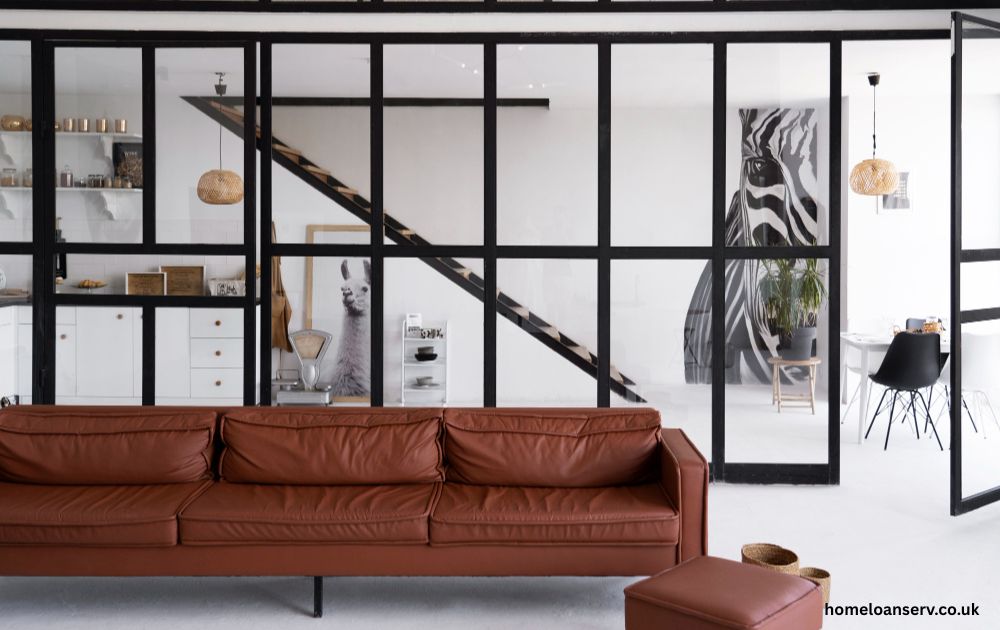
There is something unexpectedly soothing about a room that refuses to pretend. Brutalist interior design, once linked mostly to cold civic buildings, has slowly found its way into private homes. In doing so, it has softened into something more personal than its origins suggest. It offers a kind of visual honesty that many tired, overstimulated homeowners didn’t know they were craving.
A Style Born From Honesty
At its heart, brutalist interior design is about materials that don’t hide what they are. Concrete stays exposed, steel stays visible, and wood is often left with its natural grain intact. Nothing is dressed up to resemble something it isn’t. For people exhausted by trend cycles, that plainness feels like a quiet form of relief, a home that simply is what it appears to be.
The Emotional Pull of Unfinished Surfaces
There is a gentle vulnerability in a wall that shows its own construction. Unlike polished plaster or painted drywall, raw concrete carries the memory of its making, small imperfections, subtle shadows, the faint texture of the mold it was poured into. Living with these marks can feel like living honestly, a small reminder that flaws are not failures. It is a strangely comforting philosophy for a home to hold.
Introducing Minimalist Brutalist Interior Design
Within this broader movement, minimalist brutalist interior design has become a particularly approachable starting point. It softens brutalism’s starkness by pairing raw structural elements with restrained, uncluttered furnishings. Instead of filling a room with objects, only a few carefully chosen pieces are allowed in. The result feels calm rather than austere, spacious rather than empty.
Choosing Fewer, Better Things
In a minimalist brutalist interior design, every object earns its place. Rather than filling a room, only a handful of carefully chosen pieces are allowed in, giving each one room to be truly appreciated.
- Choose one statement piece per room instead of several smaller items
- Favor natural materials like linen, raw wood, and stone over synthetic finishes
- Leave visible negative space around furniture rather than pushing pieces together
- Select objects for texture and longevity, not just appearance
- Add new pieces slowly, only once you’re certain they belong
The Palette of Restraint
Minimalist brutalist spaces tend to favor soft neutrals, pale grays, bone white, warm taupe, layered gently against raw concrete or plaster. This palette avoids visual noise while still allowing texture to do the talking. Light moves differently across these surfaces throughout the day, shifting the mood of the room without anyone lifting a finger. It is a quiet kind of magic that unfolds slowly.
Furniture That Doesn’t Compete
In this style, furniture is chosen to support the architecture rather than distract from it. Simple silhouettes, rounded edges, and natural upholstery allow the bones of the room, the concrete, the beams, the structure, to remain the visual focus. Nothing shouts for attention. Instead, each piece settles quietly into its surroundings, creating a sense of ease that many people find genuinely restorative.
Introducing Dark Brutalist Interior Design
At the opposite end of the spectrum sits dark brutalist interior design, which leans fully into shadow instead of avoiding it. Charcoal walls, blackened steel, and deep, atmospheric lighting come together to create spaces that feel intimate rather than harsh. This isn’t gloom for its own sake; it’s the particular comfort of a dimly lit room that feels like a retreat from the brightness of daily life.
The Comfort of Low Light
Dark brutalist interior design borrows something instinctive from candlelight and firelight, the way dim, warm illumination makes a space feel safer and more enclosed. Low lighting slows people down. It encourages lingering conversations, quiet evenings, and a softer pace overall. In these rooms, darkness isn’t something to fear; it becomes a gentle container for rest and reflection.
Materials With Weight and Depth
Dark brutalist spaces often lean on heavier, more tactile materials, blackened concrete, aged leather, oxidized metal, to create a sense of grounding. These surfaces absorb light rather than reflect it, giving the room a hushed, cocooned feeling. There is something deeply calming about being surrounded by materials that feel solid and permanent, as though the room itself is holding you steady.
The Power of a Single Warm Accent
Because darkness can tip toward heaviness if left unchecked, designers working in this style often introduce one small warm element, a brass lamp, a worn leather chair, a beam of golden evening light. This contrast does something gentle to the senses. It makes small comforts feel larger and quiet moments feel more deliberate, turning a single lit corner into the emotional heart of the room.
Where the Two Styles Meet
Minimalist and dark brutalist interior design may look different on the surface, but they share the same underlying values, honesty, restraint, and a respect for raw material. Many homes blend both, using pale, airy minimalism in daytime spaces and deeper, shadowed tones in bedrooms or reading nooks. This flexibility allows a single home to shift its mood room by room, following the natural rhythm of a day.
Letting a Home Age Gracefully
One of the most tender aspects of brutalist interior design is its relationship with time. Concrete visibly ages, gathering faint stains and subtle discoloration much like skin gathers lines over the years. Rather than concealing this, brutalist interiors let it show openly. There is real gentleness in that acceptance, a willingness to let a home look lived-in rather than performing perfection for guests.
A Quiet Kind of Self-Compassion
In a culture that often equates beauty with flawlessness, choosing a home that wears its history openly can feel like a small act of self-compassion. It suggests that a space doesn’t need to be spotless or trend-perfect to be loved, and that the people living inside it don’t either. Brutalist interiors, in this way, become gentle teachers of acceptance.
Practical Ways to Begin
For those drawn to this aesthetic but unsure where to start, small gestures go a long way. Leaving one wall unpainted, choosing a single raw wood or concrete surface, or simply removing a few unnecessary objects can introduce the spirit of brutalism without a full renovation. It’s a style that rewards patience, allowing a home to evolve slowly rather than all at once.
Why This Style Endures
Brutalist interior design endures because it asks so little while offering so much. It doesn’t demand constant updating or curated perfection; it simply asks for honesty, patience, and an appreciation for materials as they naturally are. In minimalist form or in its darker, more atmospheric expression, it offers permission to slow down and to feel at home inside a space that is simply, quietly, itself.
A Home That Simply Is
Brutalist interior design isn’t about a look you achieve once and maintain forever. It’s a quiet ongoing conversation between a space and the people who live in it, one built on honesty, patience, and a willingness to let materials age naturally. Whether softened into minimalism or deepened into shadow, it offers the same gentle invitation: to slow down, to stop performing perfection, and to feel genuinely at home in a space that asks nothing more of you than to simply be there.