
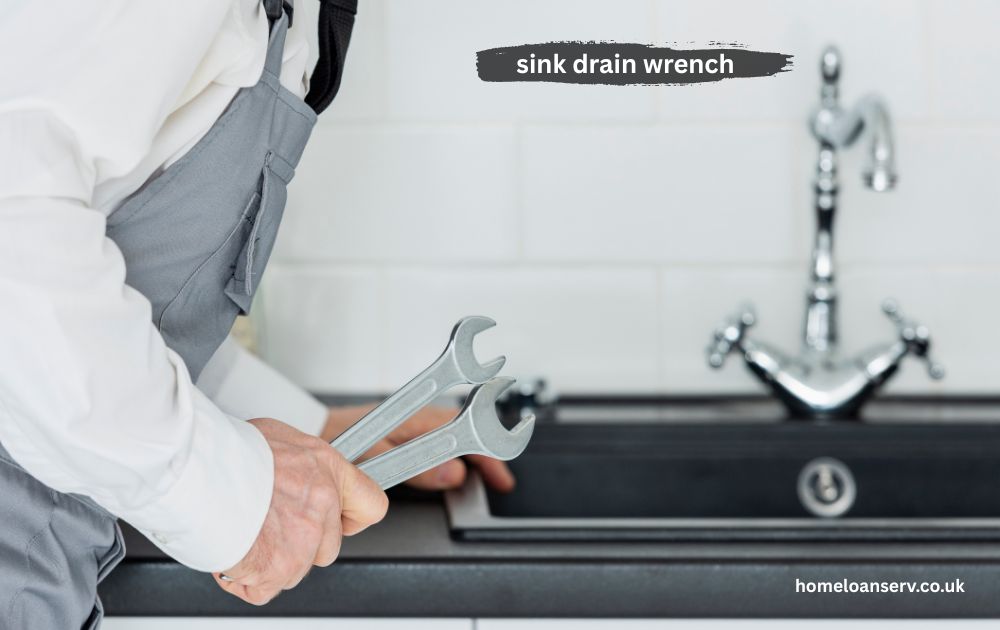
Every home has a handful of tools that quietly wait for their moment to shine, and the sink drain wrench is one of the best examples of this. Tucked away in a drawer or toolbox, it rarely gets attention until a leak, loose nut, or clog reminds you it exists. Once you understand its purpose, though, you begin to appreciate how much frustration it can prevent. It is a small investment that offers a surprising amount of peace of mind.
Understanding What a Sink Drain Wrench Does
At its core, a sink drain wrench is designed to grip and turn the nuts and fittings found beneath a sink, particularly around the drain assembly and P-trap. These areas are often cramped, curved, or oddly shaped, making a standard wrench nearly useless. This specialized tool solves that problem by fitting snugly into tight spaces without slipping. It gives you the leverage needed to loosen stubborn connections that have been sealed for years.
Why Standard Tools Often Fail Here
Many homeowners first reach for a regular wrench or pair of pliers when tackling a sink repair, only to find themselves struggling. The rounded or recessed shape of drain nuts resists a firm grip from flat-jawed tools, and forcing the issue can scratch or crack fittings. A dedicated sink drain wrench is shaped specifically to avoid this problem. It saves both time and the finish of your plumbing fixtures.
The Appeal of a Universal Design
One of the most valued features in this category is versatility, which is why a universal sink drain wrench has become such a popular choice. Because plumbing systems vary between homes, especially older ones, having a single adjustable tool that fits multiple nut sizes is incredibly convenient. Instead of purchasing several specialized wrenches, one adaptable tool can handle nearly every situation you encounter. This flexibility makes it a smart addition to any home repair kit.
Common Plumbing Problems It Solves
Underneath almost every sink lies a network of nuts, washers, and joints that can loosen or wear out over time, and a sink drain wrench is built to handle exactly these kinds of everyday issues. Rather than calling a plumber for something relatively simple, many people find they can resolve these problems themselves.
- Dripping or leaking P-trap connections
- A loose or wobbly drain flange
- Worn slip nuts that no longer seal properly
- Slow drains caused by loosened fittings
- Corroded or stuck connections beneath the sink
The Emotional Comfort of Being Prepared
There is a quiet reassurance that comes from knowing you have the right tool for a problem before it even happens. Plumbing issues tend to arrive unexpectedly, often at inconvenient times, and having a sink drain wrench on hand removes some of that stress. It shifts your mindset from feeling helpless to feeling capable. This sense of readiness extends beyond plumbing, encouraging a broader confidence in handling household repairs.
Materials That Matter
Not all sink drain wrench options are built the same, and the material they are made from affects both durability and performance. Because this tool is frequently used in damp, humid environments under sinks, rust resistance becomes especially important. Stainless steel or coated metal options tend to last far longer than cheaper alternatives. Investing a little more upfront often means avoiding a replacement purchase within a year or two.
The Importance of a Comfortable Grip
Working in the cramped space beneath a sink is rarely comfortable, so the design of a sink drain wrench’s handle matters more than people expect. A textured, ergonomic grip allows for better control even when your hand is at an awkward angle. This reduces the risk of slipping and reduces strain during longer repairs. A well-designed handle can make the difference between a quick fix and a frustrating struggle.
Adjustability and Size Range
Because drain nuts come in a variety of sizes, the adjustability of a universal sink drain wrench is one of its most practical features. A wide jaw range means you are not limited to a single type of fitting or a specific brand of plumbing hardware. This is especially useful in multi-bathroom homes where fixtures may differ slightly. Being able to adapt to different sizes eliminates the guesswork before starting a project.
Step One: Preparing the Work Area
Before using a sink drain wrench for repairs, it helps to prepare the space properly. Clearing out cleaning supplies, placing a towel beneath the pipes, and having a small bucket ready for drips can make the process smoother. Taking a moment to organize the area reduces mess and frustration later. Preparation, though simple, often determines how easily the rest of the repair goes.
Step Two: Loosening the Nut
Once the area is ready, the sink drain wrench is positioned around the target nut and turned counterclockwise to loosen it. Because these fittings can be tightened firmly over the years, some initial resistance is normal and should be expected. Applying steady, even pressure rather than a sudden force helps prevent damage to the pipe or fitting. Patience during this step often leads to a cleaner, easier repair.
Step Three: Inspecting the Components
After loosening the nut with the sink drain wrench, it is worth taking a moment to inspect the washer, gasket, or seal for wear. Cracked or brittle parts are often the true source of a persistent leak rather than the nut itself. Replacing these small components is inexpensive and can extend the life of the entire assembly. This simple inspection step is frequently overlooked but can prevent repeat repairs.
Step Four: Reassembling With Care
Once repairs or replacements are complete, the sink drain wrench is used again to tighten the nut back into place. It is important not to overtighten, as this can crack plastic fittings or warp seals. A firm, snug fit is usually sufficient to stop leaks without causing new problems. Running water afterward to check for drips confirms whether the repair was successful.
Avoiding Common Mistakes
Many first-time users run into avoidable trouble simply because they rush the job or skip small checks with the sink drain wrench. Slowing down and paying attention to a few key details can save you from cracked fittings, repeat leaks, or a messier repair than you started with.
- Using excessive force, assuming tighter is always better
- Overtightening plastic fittings, which can crack under pressure
- Skipping a check of the washer or seal before reassembling
- Forgetting to test for leaks after the repair is done
When to Call a Professional Instead
While a sink drain wrench handles many minor repairs well, some situations still call for professional help. Persistent leaks despite proper tightening, corroded pipes, or complex rerouting issues may require more specialized expertise. Recognizing the limits of a DIY approach is just as valuable as knowing how to use the tool itself. This balance keeps home repairs safe and realistic.
The Cost-Saving Advantage
One of the most practical benefits of owning a sink drain wrench is the money it can save over time. Even a simple plumber visit for a loose nut or minor leak can be costly, especially for something that takes only minutes to fix. By handling small issues yourself, you reduce the frequency of paid service calls significantly. Over the years, this adds up to meaningful savings for any household.
A Tool That Encourages Independence
Beyond the financial benefits, there is something empowering about handling household maintenance without relying entirely on outside help. Learning to use a sink drain wrench for repairs builds a foundation of practical skills that extend to other areas of home care. It encourages a mindset of self-sufficiency rather than dependence. Many people find this shift surprisingly rewarding.
Storage and Maintenance Tips
Like any tool, proper storage helps extend a sink drain wrench’s usable life significantly. A few simple habits go a long way toward keeping it reliable for years to come.
- Store the sink drain wrench in a dry place, away from prolonged moisture
- Wipe it down after use to prevent rust or mineral buildup
- Keep it in a drawer organizer, hook, or pouch for easy access
- Check the jaws and grip periodically for wear or looseness
Choosing the Right Wrench for Your Needs
Picking the right sink drain wrench comes down to matching the tool to your home’s plumbing setup. A few simple points can help guide that decision:
- Choose a universal sink drain wrench for adjustable, all-purpose use.
- Check the jaw size range against your existing fittings.
- Look for rust-resistant materials suited to damp spaces.
- Prioritize a comfortable, non-slip grip for tight corners.
Comparing Wrenches to Other Plumbing Tools
It can be tempting to assume that pliers, an adjustable spanner, or a basin wrench might work just as well for drain repairs, but each of these tools serves a different purpose. A basin wrench, for example, is built for reaching faucet nuts above the sink rather than the curved fittings below it. A sink drain wrench is shaped specifically for the drain assembly, offering a grip that general tools simply cannot replicate. Understanding these differences helps you choose the right tool the first time, rather than cycling through several before finding the correct fit.
How Beginners Can Build Confidence
For someone who has never attempted a plumbing repair before, the idea of working beneath a sink can feel more intimidating than it actually is. Starting with a simple task, such as tightening a loose nut with a sink drain wrench, is a gentle way to build familiarity with the tool and the space. Watching a short tutorial or reading clear instructions beforehand can also ease any initial nervousness. Over time, these small successes create genuine confidence rather than hesitant guessing.
The Role of Regular Inspections
Many leaks and loosened fittings develop gradually rather than appearing overnight, which makes occasional inspection valuable. A sink drain wrench makes this kind of proactive care simple and quick, so a small check now can prevent a bigger repair later. A few things worth checking regularly include:
- The tightness of the drain flange and slip nuts
- The condition of washers and gaskets for cracks or wear
- Any signs of moisture, staining, or slow drips beneath the sink
- Whether the P-trap connection still feels secure
Environmental Benefits of Prompt Repairs
Beyond convenience and cost, fixing small leaks promptly also has a quiet environmental benefit. Even a slow drip can waste a surprising amount of water over the course of a year if left unaddressed. Having a sink drain wrench on hand encourages faster action rather than procrastination. This small habit contributes, in its own modest way, to more mindful and responsible water use at home.
Passing the Knowledge Along
Once you become comfortable using a sink drain wrench, it is natural to want to share that knowledge with family members or housemates. Teaching someone else how to tighten a nut or inspect a washer builds a shared sense of household responsibility. It also means fewer emergency calls when you are away and something goes wrong in your absence. Passing along even a small practical skill like this can make a home feel more collectively cared for.
Conclusion
A sink drain wrench is a small, unassuming tool that carries far more value than its size suggests. It turns anxious plumbing surprises into calm, manageable moments, and it saves you both time and money along the way. Whether you are tightening a loose nut, replacing a worn washer, or simply keeping your pipes in good shape, having a sink drain wrench close by means you are always a little more prepared. In the end, it is a quiet, dependable companion for anyone who wants to care for their home with confidence.