
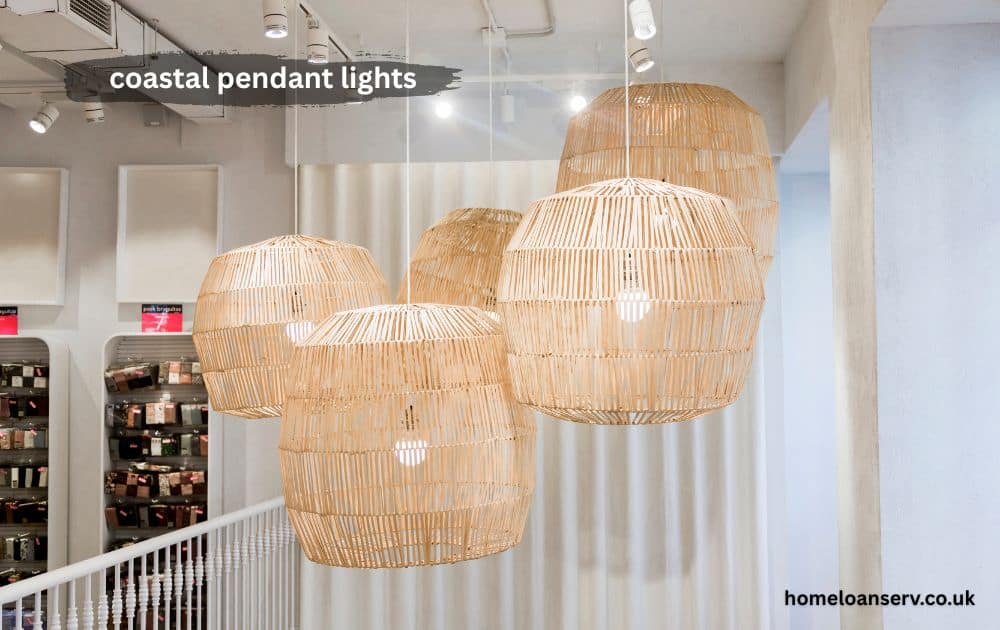
There is a particular stillness that coastal design brings into a home, a feeling that has little to do with location and everything to do with mood. It draws from open skies, weathered textures, and the soft rhythm of tides, translating those qualities into rooms that feel unhurried. Coastal pendant lights sit at the very center of this feeling, since lighting shapes how a space is experienced long before furniture or color ever does. A single fixture can quietly set the tone for an entire home.
Understanding Coastal Pendant Lights
At their core, coastal pendant lights are hanging fixtures inspired by seaside living, often shaped from natural fibers, sea glass, driftwood, or softly finished metals. They avoid sharp edges and heavy ornamentation, favoring gentle curves and organic textures instead. This makes them feel less like statement pieces and more like natural extensions of the room they occupy. Their charm lies in restraint, in knowing exactly how much presence a space truly needs without ever overwhelming it.
Why Coastal Pendant Lighting Feels So Timeless
Trends come and go, yet coastal pendant lighting has remained a steady favorite for decades, largely because it never chases attention. Its appeal is rooted in comfort rather than spectacle, which allows it to age gracefully alongside a home instead of feeling dated after a few short years. People are drawn to spaces that feel calm and lived-in, and this style delivers exactly that sense of quiet permanence. It is lighting meant to be felt more than noticed.
The Natural Materials Behind the Look
Much of the character in coastal pendant lighting comes from the materials themselves, chosen for their honest, unpolished beauty. Rattan and woven seagrass bring warmth and gentle texture, while reclaimed or bleached wood adds a sense of history and quiet resilience. Frosted or ribbed glass mimics the softened look of sea glass tumbled by years of waves. Together, these materials create fixtures that feel handmade, grounded, and deeply connected to the natural world.
Soft Color Palettes That Define the Style
Color plays a subtle but essential role in coastal pendant lighting, favoring tones that soothe rather than demand attention. Sandy neutrals, weathered whites, soft blues, and muted greens dominate the palette, echoing the colors found along quiet shorelines. These hues allow the fixtures to blend effortlessly into many different interiors, from farmhouse kitchens to minimalist living rooms. The result is lighting that feels versatile, gentle, and endlessly easy to live with.
Coastal Pendant Lighting for Kitchen Island Spaces
Few places benefit from coastal pendant lighting for kitchen island areas quite like the heart of the home itself, where families gather most often. A row of two or three woven or glass pendants above an island introduces warmth without closing in the space, keeping sightlines open while still anchoring the room visually. This lighting style turns ordinary tasks like chopping vegetables or pouring coffee into small, peaceful moments. It brings softness to a space that is often defined by hard surfaces.
Finding the Right Size for Your Island
Choosing the correct scale for coastal pendant lighting above an island requires a balance between visual presence and everyday practicality. Fixtures that are too small can feel lost above a large countertop, while oversized pendants may overwhelm a modest kitchen. A helpful guideline is to select pendants whose combined width covers roughly two-thirds of the island’s length, leaving breathing room on either end. This creates a proportionate, welcoming glow rather than a cluttered one.
Spacing and Height Considerations
Beyond size, the placement of coastal pendant lights matters just as much for comfort and function. Fixtures are typically hung between thirty and thirty-six inches above the countertop, allowing light to spread evenly without obstructing anyone’s line of sight. Even spacing between multiple pendants helps maintain a natural rhythm, much like waves arriving at consistent intervals. These small adjustments make a noticeable difference in how relaxed the finished space ultimately feels.
Bringing Coastal Pendants Into the Dining Room
A dining room lit by coastal pendant lighting tends to feel warmer and more inviting than one lit by traditional chandeliers. A single woven or glass pendant centered above the table creates a soft focal point without demanding formality. This kind of lighting encourages lingering conversations and slower meals, since its glow feels closer to candlelight than to bright overhead fixtures. It quietly reminds a room that gathering together is the true purpose of the space.
A Softer Glow for the Living Room
Living rooms often rely on lamps and overhead lighting, yet a single coastal pendant can transform a reading nook or seating corner into something more intentional. Hung low over an armchair or a small side table, it creates a pool of gentle light perfect for evenings spent unwinding. Its natural materials and muted tones help the fixture blend into the room’s atmosphere rather than compete with it. Even one thoughtfully placed pendant can shift how a room feels.
Coastal Pendants in Bedrooms and Reading Corners
Bedrooms benefit enormously from the softened glow that coastal pendant lights provide, especially when hung beside a bed in place of traditional table lamps. This frees up nightstand space while still offering warm, functional light for reading before sleep. A small woven or glass pendant on each side of the bed also introduces a sense of balance and calm symmetry. It is a subtle change that makes the room feel more restful almost immediately.
Extending the Look to Covered Patios
Coastal pendant lighting is not confined to indoor spaces, and many homeowners extend the style onto covered porches or outdoor kitchens. Weather-resistant materials allow these fixtures to withstand humidity and gentle breezes while still offering the same relaxed charm found indoors. Hanging a pendant above an outdoor dining table or seating area helps blur the line between inside and outside living. It invites evenings spent outdoors to feel just as peaceful as those spent within the home.
Blending Coastal Pendants with Other Styles
One of the most appealing qualities of coastal pendant lighting is how easily it blends with other design styles rather than existing only within strict beach themes. Paired with modern cabinetry, it softens sharp lines; paired with farmhouse elements, it deepens a sense of warmth. Even minimalist spaces benefit from the texture a single woven pendant introduces. This flexibility allows homeowners to enjoy the coastal feeling without committing to an entire nautical aesthetic.
The Importance of Warm, Gentle Bulbs
The character of coastal pendant lights depends heavily on the type of bulb chosen, since harsh white light can undermine even the most beautifully crafted fixture. Warm-toned bulbs, typically between two thousand and twenty-seven hundred kelvin, preserve the soft, sun-washed glow associated with coastal interiors. This warmth enhances natural materials like rattan and wood, allowing their textures to appear richer in the evening. Choosing the right bulb is often the final, quiet detail that completes the look.
Sustainable and Handcrafted Choices
Many coastal pendant lights are crafted from renewable or reclaimed materials, giving each piece a quiet sense of history alongside its style. Choosing them brings a few gentle benefits into a home:
- Renewable fibers: Rattan and seagrass are biodegradable and often hand-woven using low-impact methods.
- Reclaimed wood: Salvaged timber carries its own story, having lived a previous life before lighting a home.
- Small-batch craftsmanship: Many pendants are shaped by hand rather than mass-produced, adding a personal touch.
- Lower environmental footprint: Natural materials generally require less energy to produce than synthetic alternatives.
Coastal Lighting Through the Seasons
Unlike more seasonal decor trends, coastal pendant lighting adapts comfortably throughout the year without ever feeling out of place. In summer, it echoes the season naturally, while in cooler months its warm materials and soft glow offer a gentle sense of comfort against the chill outside. This adaptability makes it a practical long-term investment rather than a fixture that needs replacing with changing trends. It simply continues to feel appropriate, no matter the time of year.
Small Spaces, Big Impact
Homeowners with smaller kitchens or apartments often assume statement lighting is out of reach, yet coastal pendant lighting proves otherwise. A single well-placed pendant above a small island or breakfast nook can add character without consuming visual space the way bulkier fixtures might. Because these designs favor light, airy materials, they tend to open a room rather than shrink it. Even modest spaces can feel considered and complete with just one thoughtfully chosen piece.
Statement Pieces Versus Subtle Accents
Coastal pendant lighting ranges from bold, sculptural designs to quiet, understated shades, giving homeowners room to choose based on personal comfort. An oversized woven pendant can serve as a dramatic centerpiece in an otherwise simple kitchen, while a small frosted glass pendant might blend so seamlessly it is barely noticed at first glance. Neither approach is more correct than the other, since the right choice depends entirely on how much presence a homeowner wants their lighting to hold.
Caring for Your Coastal Fixtures
Maintaining coastal pendant lights is simple, though the materials do benefit from gentle, regular care to preserve their natural beauty. Woven shades can be dusted with a soft brush, while glass pendants only need an occasional wipe to stay clear. Wood elements may be treated periodically with natural oils to prevent drying or fading over time. This light upkeep is a small price for fixtures that continue to feel warm and authentic for years.
Budget-Friendly Ways to Get the Look
Achieving the coastal pendant lighting look does not require a large budget, since many affordable options now replicate the natural textures once found only in higher-end pieces. Woven paper or synthetic rattan alternatives offer a similar softness at a fraction of the cost. Thrifted or secondhand fixtures can also be refreshed with a coat of whitewash or a change of hardware. With a little patience, the calming coastal feeling remains accessible to nearly any home.
Pairing Pendants with Natural Daylight
Coastal pendant lighting tends to look its best in rooms that also welcome plenty of natural daylight, since the two work together rather than in competition. Large windows or sheer curtains allow sunlight to interact with woven textures and glass shades throughout the day, casting soft shadows that shift gently with the hours. In the evening, the pendants then take over that same gentle role, carrying the feeling of daylight forward after the sun has set. This quiet handoff between natural and artificial light is part of what makes coastal interiors feel so continuously calm.
Choosing Between Single and Multiple Pendants
Deciding between one fixture or a cluster of several often comes down to the scale and purpose of the space. A single pendant offers quiet focus, while multiple pendants bring rhythm and balance to a larger surface.
- Single pendant: best for round tables, small nooks, or compact kitchens; creates a focused, uncluttered glow
- Multiple pendants: ideal for long islands or dining tables; spaced evenly for a steady, balanced rhythm of light
- Room scale: smaller spaces favor restraint, while larger, open layouts often call for two or three fixtures
- Overall feeling: the right choice is less about rules and more about how the light feels once everyone is gathered beneath it
A Gentle Closing Thought
Coastal pendant lights offer something quieter and more lasting than a passing design trend, inviting a home to feel a little more peaceful with every glow they cast. Whether hung above a kitchen island, a dining table, or a small reading corner, these fixtures carry the calm of the shoreline into everyday life. They ask for little and give generously in return, softening rooms and slowing days. Sometimes, the most meaningful comfort really does begin overhead.