
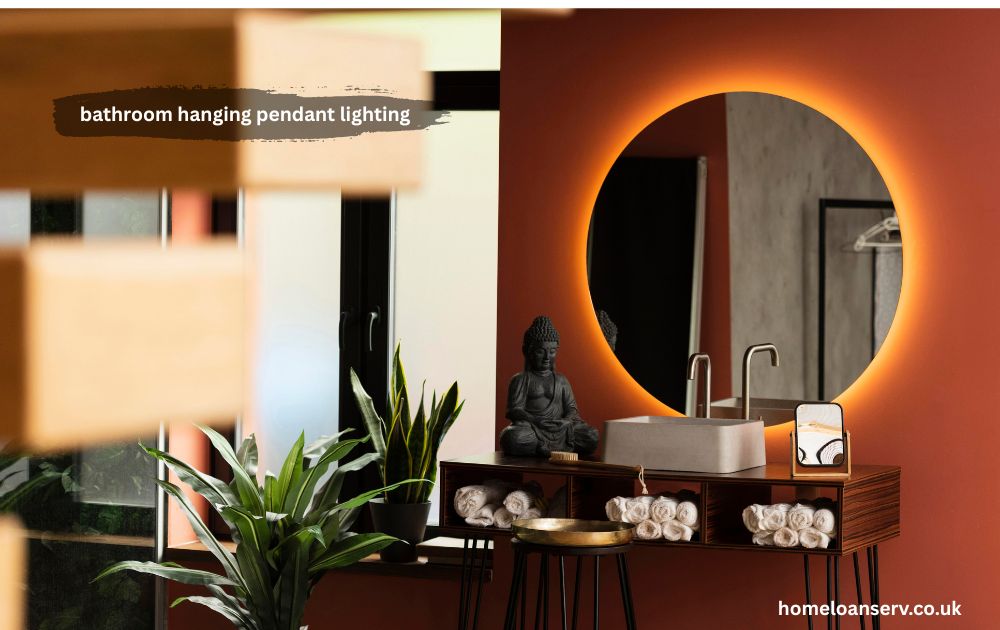
Bathrooms are often the last room in the house to receive any real design attention, yet they are among the spaces we visit most in a single day. Bathroom hanging pendant lighting has quietly changed that pattern, offering homeowners a way to bring warmth and personality into a room typically ruled by function alone. Instead of flat, clinical light bouncing off tile and mirror, this style of lighting introduces shadow, glow, and a sense of intention. This shift is small in effort but large in feeling, and it is reshaping how people think about their most private daily rituals.
Why Bathroom Lighting Deserves More Thought
For decades, bathroom lighting followed a predictable formula: a single overhead fixture and perhaps a strip of bulbs above the mirror. It worked, technically, but it rarely felt inviting. Bathroom hanging pendant lighting changes that equation by treating light as something that sets an emotional tone rather than simply illuminating a task. Harsh, uniform lighting can make even a beautifully tiled bathroom feel sterile, while softer, more deliberate lighting choices turn the same room into somewhere you actually want to linger.
The Rise of Pendant Lighting in Bathrooms
Pendant lighting has long been a staple in kitchens and dining rooms, but its move into the bathroom is a relatively recent and welcome development. Homeowners and designers alike have started to recognize that bathroom hanging pendant lighting can do something a flush-mounted light simply cannot. It adds dimension. It draws the eye upward and outward, making low-ceilinged bathrooms feel taller and small bathrooms feel more considered. This trend reflects a broader shift toward treating bathrooms as genuine living spaces rather than purely utilitarian ones.
Hanging Pendant Lights Over Bathroom Vanity: Setting the Mood
The vanity is where bathroom hanging pendant lighting tends to make its first and most noticeable appearance, and for good reason. Hanging pendant lights over a bathroom vanity replace the old strip lighting with something far more flattering and far more personal. Rather than a flat wash of brightness, pendants create pools of warm light that soften shadows on the face and add a quiet elegance to the mirror area. This is often the first place people notice pendant lighting working its magic, transforming a purely practical corner into a small design statement.
Balancing Light on Both Sides of the Mirror
A single pendant hung dead center above a vanity mirror can sometimes cast unflattering shadows beneath the eyes and along the jaw, which is why many designers recommend a pair of pendants instead when planning bathroom hanging pendant lighting. Positioning one fixture on either side of the mirror, roughly at eye level, creates a balanced spread of light that eliminates harsh contrast. This symmetry does more than function well; it also brings a calm visual rhythm to the space, echoing the kind of considered lighting you might find in a well-appointed vanity table from another era.
Choosing the Right Height for Vanity Pendants
Getting the height right is one of the more overlooked details in bathroom hanging pendant lighting, yet it shapes both comfort and appearance at the mirror. A few simple guidelines help strike the right balance:
- Hang the bottom of the fixture around sixty-five to seventy inches from the floor, roughly at eye level.
- Avoid going too high, which scatters light upward and loses its flattering effect.
- Avoid going too low, which can feel intrusive or become a hazard near the mirror.
Safety First: Damp and Wet Ratings Explained
Because bathrooms are inherently humid and occasionally splashed with water, not every fixture is suitable for bathroom hanging pendant lighting. Fixtures intended for a bathroom should carry a damp rating at minimum, and if the pendant will hang near a bathtub or shower, a wet rating becomes essential. These ratings indicate how well a fixture resists moisture, and ignoring them can lead to corrosion, electrical hazards, or a shortened lifespan for the light itself. It is a detail easy to overlook amid the excitement of choosing a beautiful design, but it should never be skipped.
Hanging Pendant Lights for Bathroom: Beyond the Vanity
While the vanity remains the most common spot, hanging pendant lights for a bathroom are not limited to that single area, and bathroom hanging pendant lighting can be used throughout the room. Some homeowners choose to hang a single statement pendant in the center of the room, particularly in bathrooms with higher ceilings, where it becomes a kind of quiet sculptural focal point. Others use smaller pendants to highlight a reading nook, a freestanding tub, or even a walk-in closet attached to the primary suite. The versatility of this lighting style means it can be shaped around the unique layout of nearly any bathroom.
Pendants Above the Bathtub
Hanging a pendant above a freestanding bathtub has become a particularly popular design choice in recent years, lending the space a hotel-like sense of luxury through bathroom hanging pendant lighting. This placement requires extra attention to wet-rating requirements and proper clearance from water, but when done correctly, it transforms bath time into something closer to a spa ritual. A single warm-toned pendant hanging just above and slightly to the side of the tub can cast a gentle, ambient glow that makes soaking in the evening feel like a genuine retreat rather than a routine chore.
Small Bathrooms, Big Impact
It is a common misconception that bathroom hanging pendant lighting only works in large, spacious bathrooms, but smaller powder rooms often benefit the most from this kind of fixture. In tight quarters, an oversized overhead light or bulky vanity strip can feel overwhelming, while a slim, well-chosen pendant adds character without consuming visual space. Because small bathrooms are seen up close and often, every design decision carries extra weight, and a thoughtfully hung pendant can become the signature detail that makes the whole room feel curated rather than accidental.
Glass Pendant Fixtures for a Clean Look
Glass pendants remain one of the most popular choices for bathroom hanging pendant lighting, largely because they diffuse light so gently while still allowing brightness to fill the room. A clear or lightly frosted glass globe softens the harshness of the bulb inside, casting a glow that feels natural rather than artificial. These fixtures tend to suit minimalist or Scandinavian-inspired bathrooms particularly well, where clean lines and understated materials are already part of the design language, allowing the pendant to blend in while still adding subtle visual interest.
Woven and Natural Materials for Warmth
For bathrooms leaning toward a more organic or spa-inspired feel, bathroom hanging pendant lighting made from woven rattan, bamboo, or linen shades brings an entirely different kind of warmth. These materials filter light in a dappled, textured way, casting soft patterns across walls and ceilings that feel almost meditative. They pair particularly well with natural stone tiles, wooden vanities, and greenery, helping the bathroom feel like an extension of the outdoors. This approach has grown increasingly popular among homeowners drawn to slower, more grounded interior design philosophies.
Metallic Finishes and Timeless Elegance
Brass, matte black, and brushed nickel finishes offer a different mood altogether for bathroom hanging pendant lighting, one rooted in classic elegance rather than organic softness. These finishes tend to hold up beautifully over time, both in terms of style and material durability, especially in the humid conditions bathrooms present. A pair of slender brass pendants above a marble vanity, for instance, can evoke the feeling of a boutique hotel bathroom, lending a sense of quiet luxury to even a modestly sized space without requiring an extensive renovation budget.
Matching Pendant Style to Bathroom Theme
Choosing the right style for bathroom hanging pendant lighting ultimately comes down to how well it complements the existing character of the bathroom. A sleek, industrial-style pendant might feel out of place in a soft, romantic bathroom filled with pastel tile, just as an ornate crystal fixture could clash with a stripped-back, minimalist design. Taking cues from existing hardware finishes, cabinet styles, and color palettes helps ensure the pendant feels like a natural extension of the room rather than an afterthought bolted on at the end of a renovation.
Layering Light: Pendants and Other Fixtures
Bathroom hanging pendant lighting works best not as a lone source of illumination but as part of a thoughtfully layered lighting plan. Combining pendants with recessed ceiling lights or a small accent lamp allows homeowners to adjust brightness depending on the task at hand, whether that is applying makeup, soaking in the tub, or simply moving through the space at night. This layered approach also protects against the room feeling either too dim for practical use or too bright for relaxation, striking a balance that suits every moment of the day.
Bulb Choice and Color Temperature
The bulb inside a fixture matters just as much as the fixture itself when planning bathroom hanging pendant lighting. Here are some important things to remember:
- Warm bulbs (2700K–3000K): Flatter skin tones and create a cozy, welcoming glow, ideal near the vanity.
- Cool bulbs (above 4000K): Feel more clinical and suit task-focused zones rather than relaxing ones.
- Dimmable LEDs: Combine energy efficiency with the flexibility to shift from bright and functional to soft and calming.
Dimmers and Mood Control
Installing a dimmer switch alongside bathroom hanging pendant lighting is one of the simplest upgrades that can dramatically expand how a bathroom feels throughout the day. Bright, full light suits the rush of a weekday morning, while a dimmed, gentle glow better suits an evening bath or a quiet moment of unwinding before bed. This flexibility turns a single lighting fixture into something far more versatile, allowing the same pendants to serve entirely different emotional purposes depending on the hour and the mood the homeowner wishes to create.
Cost Considerations
Bathroom hanging pendant lighting spans a wide range of price points, making it accessible whether a homeowner is working with a modest budget or planning a more substantial renovation. Simple glass or fabric-shade pendants can often be found affordably, while designer brass or handcrafted woven fixtures sit at a higher price point. Because pendants typically replace a single existing fixture rather than requiring extensive rewiring, they often represent one of the more cost-effective ways to meaningfully upgrade a bathroom’s appearance without committing to a full remodel.
Installation Tips and Professional Help
Bathroom hanging pendant lighting involves unique electrical and moisture considerations, which is why professional installation is often the safer route. A qualified electrician can confirm the fixture is set up correctly and safely from day one. A few points worth keeping in mind:
- Grounded wiring: Ensure connections are properly grounded before power is restored.
- Code compliance: Confirm the fixture and its placement meet local safety codes.
- Water clearance: Position pendants with adequate distance from tubs, sinks, and showers.
Maintaining Your Pendant Lights
Bathroom hanging pendant lighting requires a bit more regular care than fixtures in drier rooms, largely due to humidity and the buildup of moisture over time. Wiping down glass or metal surfaces periodically helps prevent water spots and tarnishing, while checking seals and connections ensures the fixture continues to meet its damp or wet rating over the years. For woven or fabric-shaded pendants, keeping the bathroom well ventilated helps prevent moisture from settling into the material, preserving both its appearance and its longevity.
Common Mistakes to Avoid
A few recurring mistakes tend to undermine otherwise beautiful bathroom hanging pendant lighting installations. Being aware of these pitfalls ahead of time makes it far easier to get the placement, scale, and safety details right from the start.
- Choosing a fixture without checking its damp or wet moisture rating
- Hanging pendants at an inconsistent or uncomfortable height
- Overcrowding a small bathroom with oversized fixtures
- Relying on pendants as the sole light source without any layering
Final Thoughts
Bathroom hanging pendant lighting offers a rare kind of design opportunity: modest in cost and effort, yet meaningful in the atmosphere it creates. Whether flanking a vanity mirror, hovering above a freestanding tub, or anchoring the center of a small powder room, this style of lighting brings warmth, character, and a gentle sense of intention to a space often overlooked. For anyone looking to reimagine their bathroom without undertaking a full renovation, a thoughtfully chosen pendant may be one of the simplest ways to turn an everyday routine into a quietly beautiful part of the day.