
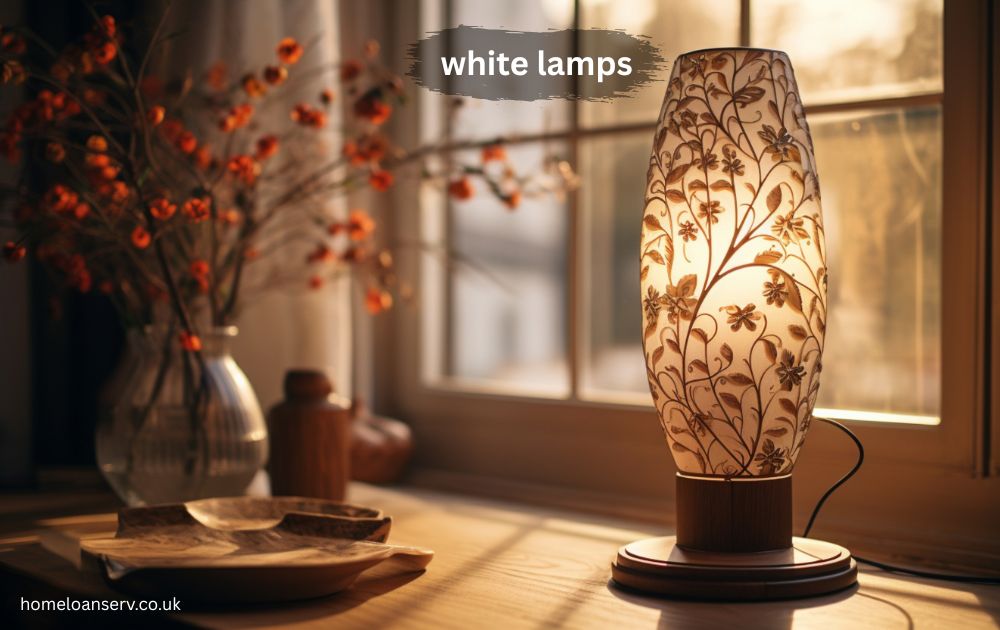
How a Simple White Lamp Can Soften a Room and Warm a Home
There is something quietly comforting about white lamps glowing in the corners of a room. They don’t demand attention the way a bold, colorful piece might instead, they settle into a space, softening hard edges and inviting a sense of calm long after the sun has set. Whether tucked beside a bed or placed on a hallway table, white lamps have a way of making a house feel gently lived in, without ever raising their voice.
A Light That Speaks Softly
Unlike lighting fixtures that pull focus toward themselves, white lamps tend to recede just enough to let everything else in the room breathe. Their glow feels less like a spotlight and more like a companion, present but never overpowering. This quality makes white lamps especially forgiving for people who move furniture around often or redecorate on a whim, since white rarely clashes with whatever comes next. They simply adapt, season after season, without asking for much in return.
Why White Works With Almost Anything
Part of the enduring appeal of white lamps lies in their neutrality. They don’t compete with wallpaper patterns, artwork, or upholstery, which means they can move from a sunroom to a study without ever feeling out of place. Designers often lean on white lamps precisely because they act as a quiet bridge between competing colors and textures. In a home full of personality, white lamps are the calm voice in the corner, letting louder elements take the lead.
The Cream Porcelain Lamp with a White Shade
Among the many forms white lamps can take, the cream porcelain lamp with a white shade holds a particular kind of warmth. The base carries a soft, almost buttery tone that feels less clinical than pure white, while the shade above diffuses the light into something gentle and even. Together, they create one of the most beloved white lamps for a bedroom or study, feeling handmade and personal even when mass-produced, as though it was chosen with real care rather than picked at random.
The Warmth Hidden in Porcelain
Porcelain has a way of holding light differently than plastic or metal ever could. There’s a subtle glow that seems to come from within the material itself, especially once a bulb is switched on behind it. Among white lamps, the cream porcelain version captures this beautifully, turning an ordinary evening into something a little softer. It’s a small detail, but it’s often the one guests notice first without quite knowing why.
Choosing the Right Shade for a Porcelain Base
Not every shade suits a porcelain base equally well, and a little patience makes all the difference when choosing white lamps for a room.
- Linen or cotton shades diffuse light most gently and evenly
- A shade that’s too thin can feel glaring rather than soft
- A shade that’s too heavy may swallow the light entirely
- Warmer-toned shades tend to match a cream porcelain base best
Blue and White Lamps: An Old Story Retold
Among the many styles of white lamps, blue and white lamps carry a history that stretches back centuries, rooted in porcelain traditions that once traveled across continents by ship and trade route. Today, that same pattern finds its way into modern homes, offering a sense of heritage without feeling stiff or overly formal. There’s something comforting about knowing a design has endured this long, as though it has already proven itself worthy of a place in someone’s home.
The Craft Behind Blue and White Porcelain
The patterns found on these particular white lamps were traditionally painted by hand, each brushstroke shaped by years of practiced skill. While many pieces today are produced more quickly, the visual language remains rooted in that same careful tradition. Florals, landscapes, and geometric motifs all tell a small story on the surface of the lamp. Owning one of these white lamps feels a little like keeping a piece of that craftsmanship alive in an everyday object.
Bringing Blue and White Lamps Into Modern Rooms
It might seem like blue and white lamps belong only in traditional interiors, but as with most white lamps, they slip surprisingly well into contemporary spaces too. Set against a plain white wall or a simple linen sofa, the pattern becomes a quiet focal point rather than an overwhelming one. Pairing them with clean-lined furniture keeps the overall look from feeling dated. The contrast between old craftsmanship and modern simplicity often ends up being the most memorable part of the room.
White Lamps in the Bedroom
White lamps feel especially at home on a bedside table, where their light needs to feel soft rather than sharp. Reading before sleep, checking the time, or simply winding down all call for lighting that doesn’t jolt the senses. A cream porcelain lamp with a white shade fits this role naturally, offering just enough glow to read by without disturbing the calm of the room. Among all the lighting choices for a bedroom, white lamps become less a fixture and more a quiet part of the nightly routine.
A Reading Corner Lit by White
Reading nooks thrive on lighting that supports focus without straining the eyes, and white lamps do this with ease. Positioned at shoulder height beside a favorite chair, they cast light exactly where it’s needed while leaving the rest of the room dim and restful. Over time, that little pool of light becomes associated with quiet afternoons and unhurried evenings. It’s a small design choice that shapes how a space is actually used, and white lamps are often the quiet reason why.
The Living Room’s Gentle Glow
In shared spaces like the living room, lighting often has to do more than one job at once. White lamps handle this well, offering soft ambient light during conversations while still being bright enough for tasks like folding laundry or working on a laptop. Placed on a side table or console, they fill in the gaps left by overhead lighting. The result is a room that feels layered and considered rather than flatly lit, thanks in large part to a few well-placed white lamps.
White Lamps in the Kitchen
Kitchens are often dominated by bright, functional lighting, which makes white lamps on a counter or open shelf feel like a welcome contrast. They soften the practicality of the space, turning a purely functional room into one that feels a bit more inviting after dinner. Even a small lamp can shift the mood of a kitchen from clinical to comfortable. It’s a detail easy to overlook until white lamps are actually there.
Welcoming Light for Entryways
The first light a guest sees often sets the tone for the rest of the home, and an entryway is no exception. White lamps on a console table offer a warm welcome without requiring much space or effort. They signal thoughtfulness before a single word is spoken. Even in a narrow hallway, that soft glow from white lamps can make the difference between a space that feels forgotten and one that feels cared for.
Table Lamps in White
Table lamps remain one of the most versatile ways to bring white lamps into a room, since they can be moved, swapped, or repositioned as needs change. Their scale makes them approachable, fitting comfortably on desks, nightstands, and shelves alike. A cream porcelain lamp with a white shade is a particularly popular choice in this category, balancing softness with just enough presence to matter. Among small white lamps, it’s rarely the star of the room, yet it’s often missed the moment it’s gone.
Floor Lamps That Whisper Rather Than Shout
Floor lamps that fall into the category of white lamps tend to bring height and light to a room without adding visual weight, which is especially useful in smaller spaces. Because the color recedes rather than draws attention, even a tall lamp can feel unobtrusive. This makes white lamps a practical choice for anyone hesitant to commit to a bold lighting statement. They offer height and function while still keeping the overall mood calm and uncluttered.
The Role of the Lampshade
A lampshade shapes far more than just the direction of light; it shapes the entire personality of white lamps, from how soft the glow feels to how much presence the piece has in a room.
- Plain fabric shades: Feel modern, clean, and understated
- Pleated or textured: Add a touch of softness and detail
- Shade size: Wider shades spread light more gently across a room
- Shade tone: Slightly warmer whites soften the glow even further
Pairing White Lamps with Neutral Palettes
In rooms built around neutral colors like beige, gray, or soft taupe, white lamps fit in almost seamlessly, reinforcing the calm tone already established. Rather than standing apart, they become part of the overall texture of the space. This kind of pairing works especially well for people who prefer a restful, uncluttered look. In these settings, white lamps become less of an accent and more of a quiet, dependable presence.
Letting White Lamps Meet Bold Color
For those who enjoy more vibrant interiors, white lamps can act as a visual pause between richer colors and patterns. Placed next to a deep green wall or a boldly patterned rug, they offer the eye a moment of rest. This contrast often makes the surrounding colors feel more intentional rather than overwhelming. It’s a simple way to use white lamps to balance a room without dulling its personality.
The Relationship Between Light and Mood
Lighting has a well-documented effect on mood, and the softness of white lamps plays directly into that. Warm, diffused light tends to encourage relaxation, making spaces feel less rigid and more welcoming. This is part of why so many people gravitate toward white lamps for bedrooms and living rooms rather than bright, direct lighting. The goal isn’t just to see clearly, but to feel comfortable while doing so.
Choosing the Right Bulb
The bulb inside white lamps matters just as much as the design itself, since it shapes the warmth or coolness of the final glow. A few small details make the difference between a lamp that feels sterile and one that feels soft and welcoming.
- Choose soft white or warm white bulbs to bring out the natural warmth of porcelain bases
- Avoid cool or daylight bulbs, which can make white lamps feel clinical rather than cozy
- Pick a lower wattage for bedrooms and reading nooks, where gentle light matters more than brightness
- Consider dimmable bulbs for white lamps used in shared spaces like the living room
Small White Lamps for Cozy Spaces
Not every one of these white lamps needs to be large to make an impact. Smaller versions work beautifully in cozy corners, bathroom counters, or bookshelves where space is limited but atmosphere still matters. These smaller white lamps often carry the same charm as their larger counterparts, simply scaled down. They’re an easy way to introduce soft lighting into spaces that might otherwise be overlooked entirely.
When a White Lamp Becomes a Statement
While white lamps are often chosen for their subtlety, certain designs manage to stand out through shape or texture alone. A dramatically curved base or an oversized shade can turn white lamps into a focal point, even without color to draw the eye. In these cases, the lamp becomes a quiet form of self-expression. It proves that simplicity and impact aren’t mutually exclusive, even among white lamps.
Vintage White Lamps and Their Stories
Older white lamps often carry a certain character that newer pieces take years to develop, from slight imperfections in the porcelain to softened edges on the base. These small signs of age can make white lamps feel more personal, as though they have already lived a life before arriving in a new home. Vintage cream porcelain lamps with white shades, in particular, often carry this quiet sense of history. They feel discovered rather than simply bought.
Modern Minimalism and White Lighting
In minimalist interiors, where clutter is kept to a minimum and colors are deliberately restrained, white lamps fit naturally into the overall philosophy. Their simplicity aligns with the idea that fewer, better-chosen objects create a more restful home. Rather than adding visual noise, white lamps contribute quietly to the sense of order. This makes them a frequent choice among those who favor clean lines and open space.
Caring for a Porcelain Lamp
Porcelain white lamps require relatively little upkeep, but a bit of gentle care goes a long way toward preserving their appearance. Dusting regularly with a soft cloth prevents buildup that can dull the surface over time, while avoiding harsh cleaning chemicals helps protect any painted details. Shades benefit from occasional vacuuming with a brush attachment to remove dust without damaging the fabric. With this small routine, white lamps can stay looking their best for years.
White Lamps as Thoughtful Gifts
White lamps often make thoughtful gifts precisely because they suit so many different homes and tastes. They don’t require knowing someone’s exact color scheme or design preferences, since they tend to blend in gracefully almost anywhere. Given for a housewarming, a wedding, or simply as a gesture of care, white lamps carry a quiet sense of warmth. They’re the kind of gift that gets used daily, long after the occasion has passed.
Living With a White Lamp Through the Seasons
As the seasons change, white lamps have a way of adapting rather than feeling out of place. In colder months, their warm glow adds a sense of comfort against darker evenings, while in summer, they feel light and unobtrusive alongside open windows and brighter days. This adaptability is part of what makes white lamps such a lasting choice. They never feel tied to one particular time of year.
Closing Thoughts: The Simple Beauty of White Lamps
In the end, white lamps are less about making a statement and more about creating a mood. Whether they take the form of a cream porcelain lamp with a white shade or one of the many blue and white lamps rooted in centuries of craftsmanship, their purpose remains the same: to offer a soft pool of light that makes a house feel a little more like home. Sometimes the simplest choices, like white lamps, are the ones that bring the most comfort.