
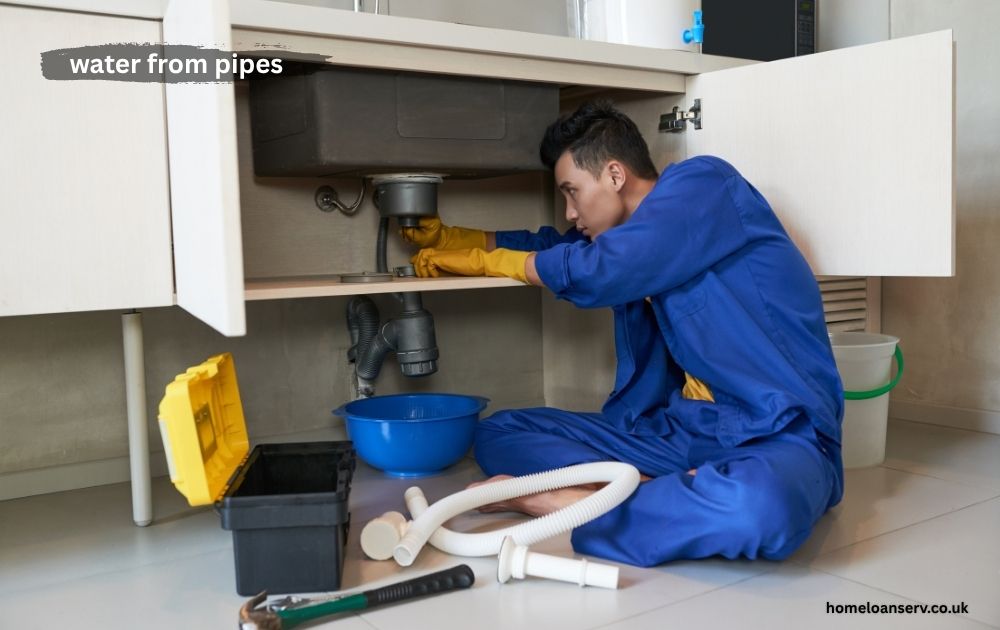
Water has a way of finding the smallest opening and turning it into a story worth paying attention to. Whether it appears beneath a kitchen sink, along a hidden wall, or dripping softly from beneath a parked car, water from pipes is rarely as alarming as it first feels. This article walks gently through the many faces of water from pipes, from household leaks to the harmless condensation that drips from an exhaust pipe, so that the next time you notice a drop where it shouldn’t be, you can respond with understanding instead of worry.
What It Means When You Notice Water From Pipes
When water begins appearing near a pipe, it is rarely a sudden event, even if it feels that way. Most plumbing systems degrade slowly, through years of pressure, temperature shifts, and simple wear on joints and seals, and water from pipes is usually the visible end of that slow process. A small drip today is often the last stage of something that has been quietly building for a while. Recognizing this helps take away some of the panic, because it means there is usually time to address things calmly rather than in a rush.
The Everyday Experience of Water From a Pipe
Water from a pipe often introduces itself in the most ordinary of moments, like reaching under the sink for a cleaning bottle and feeling dampness where there shouldn’t be any. It is rarely dramatic at first, and water from pipes tends to reveal itself through faint clues rather than sudden floods. A slight smell, a slightly swollen cabinet floor, or a sound of dripping when the house is otherwise silent are usually the first quiet signals. These small signs are worth noticing early, because they tend to be far easier to address than the damage that follows if they are ignored for too long.
Why Pipes Begin to Leak in the First Place
Pipes are built to last, but nothing lasts without some form of gradual change over time. Metal pipes can corrode from the inside, especially in areas with hard water, while plastic fittings can become brittle from years of temperature swings, and this slow wear is one of the most common origins of water from pipes. Joints loosen slightly as a home settles, and rubber seals lose their flexibility the way anything does with age. None of this happens overnight, which is part of why a small leak can feel like it appeared out of nowhere.
The Sound of a Hidden Leak Behind the Wall
Sometimes the first sign of trouble is not something you see, but something you hear. A faint hissing sound behind a wall, especially when no faucet is running, often points to water from pipes finding its way through a crack under pressure. It can be tempting to dismiss the sound as the house settling, but pipes rarely announce themselves loudly at first. Listening closely during quiet moments, particularly at night, can reveal these early whispers before they turn into something louder.
Water Pooling Near the Basement Floor
Basements have a particular relationship with water, since they sit closest to the ground and often host the main lines that carry water throughout a home. A little dampness near a foundation wall or a puddle that reappears after cleaning is often a sign of water from pipes traveling quietly before becoming visible. It does not always mean disaster, but it does mean the area deserves a gentle, regular check, since these leaks can spread along foundations long before they surface elsewhere in the home.
How Weather Changes Affect Pipes Over Time
Temperature has a surprising amount of influence over how pipes behave throughout the year. Cold weather causes pipes to contract, sometimes just enough to loosen a fitting that was already slightly worn, while warm weather causes expansion that can stress older joints, and both extremes can quietly encourage water from pipes to appear. This seasonal push and pull is part of why leaks often seem to arrive right after a hard freeze or a sudden heat wave. Understanding this rhythm can help explain why a pipe that was fine all year suddenly needs attention.
The Role Pipe Material Plays in Longevity
Not all pipes age the same way, and the material behind your walls says a lot about what kind of water from pipes you might eventually notice. A quick look at common materials shows why:
- Copper pipes: Durable, but prone to pinhole leaks from mineral buildup over time
- Galvanized steel pipes: Sturdy, though they tend to rust from the inside as they age
- Plastic piping (PEX/PVC) : Flexible and corrosion-resistant, though joints can still weaken over the years
Why Small Leaks Deserve Early Attention
It is easy to overlook a leak that seems too small to matter, yet water rarely stays contained to where it first appears. Even a slow trickle of water from pipes can quietly soften drywall, warp flooring, or invite mold into spaces that stay damp for too long. Addressing a small leak early is almost always simpler, calmer, and less costly than waiting until it grows into something that disrupts daily life. A little attention now tends to save a great deal of effort later.
Simple Ways to Check for Leaks at Home
You do not need special tools to begin noticing leaks early, just a habit of gentle observation. Checking under sinks, around the base of toilets, and near water heaters every so often can reveal water from pipes before it becomes a larger issue. Watching the water meter when no water is being used, and seeing if it still moves, is another simple way to catch a hidden leak. These small routines take only minutes but offer real peace of mind.
Knowing When to Call a Professional
There comes a point where patience and observation give way to needing skilled hands, and that is nothing to feel discouraged about. If water from pipes is coming from behind a wall, beneath a slab, or from a main line, a professional plumber has the tools to trace it accurately without unnecessary guesswork. Trying to manage significant leaks alone can sometimes cause more disruption than the leak itself. Knowing when to ask for help is simply part of caring for a home wisely.
Gentle Habits That Help Prevent Future Leaks
Preventing leaks is less about dramatic action and more about consistent, quiet care over time. Insulating pipes before winter, keeping water pressure at reasonable levels, and replacing old rubber hoses before they crack are small steps that noticeably reduce the chances of water from pipes catching you by surprise. Scheduling a yearly check on visible plumbing, even briefly, keeps small issues from turning into bigger ones. These habits do not require much effort, but they do require remembering to return to them regularly.
Turning Attention to Water Dripping From an Exhaust Pipe
Away from the walls and pipes of a home, there is another kind of water that often causes unnecessary worry, and unlike household water from pipes, this one usually needs no concern at all. Many people notice it for the first time while starting their car on a cool morning and immediately assume something has gone wrong. In most cases, however, this is simply a natural and harmless part of how an engine works, and understanding why it happens can replace concern with a calm sense of familiarity.
Why Condensation Forms Inside an Exhaust System
An engine produces water vapor as a natural result of burning fuel, and that vapor has to travel somewhere before it exits the vehicle. As it moves through the exhaust system, especially when the system is still cool, the vapor condenses back into liquid form, much like breath fogging on a cold window, forming a small amount of water from pipes within the exhaust itself. That condensation collects and eventually drips out from the tailpipe. It is simply moisture completing its journey, not a sign that something beneath the car has failed.
Why Cold Mornings Make This More Noticeable
Cold weather tends to make water dripping from an exhaust pipe far more noticeable than it would be on a warm afternoon. When the exhaust system starts out cold, water vapor condenses more readily along its walls before the system has time to warm up fully, making this particular form of water from pipes far more visible during chillier months. This is why so many people notice drops collecting beneath their car specifically during colder months or the first few minutes of a drive. Once the engine warms, the moisture usually evaporates and the dripping fades away naturally.
When Exhaust Water Is Nothing to Worry About
In the vast majority of cases, a little water beneath the tailpipe after starting a car is simply a normal part of everyday driving. This kind of water from pipes is usually clear or slightly cloudy, has no strong odor, and disappears once the engine reaches its normal operating temperature. It is especially common on short trips, where the exhaust never gets hot enough for long enough to fully clear the moisture. Recognizing this pattern can turn an anxious glance into a reassured shrug.
Signs That Might Warrant a Closer Look
While most exhaust drips are harmless, there are a few gentle signs worth paying attention to just in case. If water from pipes beneath the car carries a sweet smell, appears thick or oily, or continues steadily even after a long drive, it may be worth mentioning to a mechanic. These signs are the exception rather than the rule, but noticing them early follows the same spirit as noticing a household leak early. It is simply about staying gently observant, not about assuming the worst.
Telling Water Apart From Other Fluids
Part of feeling at ease with exhaust drips comes from knowing how to tell ordinary water from pipes apart from other fluids a vehicle might leak. Water typically leaves no lasting stain and evaporates quickly, while coolant often has a sweet smell and a colored tint, and oil leaves behind a darker, slippery mark. Taking a moment to look closely at a drip, rather than assuming the worst immediately, usually answers the question quickly and calmly, without needing to reach for a repair manual.
Comparing Household Leaks and Vehicle Drips
It is worth pausing to notice how differently these two situations deserve to be treated, even though both involve water appearing unexpectedly. Household water from pipes tends to be a slow signal of wear that benefits from early attention, while a drip from an exhaust pipe is often just a normal byproduct of combustion completing its cycle. Holding both truths at once, that some water asks for action and some simply asks for understanding, brings a calmer perspective to daily life.
The Emotional Side of Noticing Something Unexpected
There is a very human instinct to feel a small jolt of worry when something unexpected appears, whether it is water on a floor or beneath a car. That instinct is not a flaw, but it can be softened with a little knowledge, especially once you understand how ordinary water from pipes usually turns out to be. Taking a breath before reacting, and looking closely rather than assuming the worst, often reveals that most of these moments are far gentler than they initially seem. Calm observation tends to serve us better than quick alarm.
Building the Habit of Gentle Observation
Over time, noticing small signs like these becomes less about worry and more about quiet awareness, almost like checking in with an old friend. A brief glance under the sink, a short pause to listen to the house, or a quick look beneath the car after a cold start are small acts that help you notice water from pipes long before it becomes a real concern. These habits, practiced gently and without pressure, build a kind of familiarity with your home and vehicle that makes unexpected moments feel far less unsettling.
Finding Peace of Mind in Small Details
In the end, understanding water from pipes, whether inside a home or beneath a vehicle, is really about learning to read small details with patience rather than fear. Not every drop signals a problem, and not every drop should be ignored either. The difference lies in slowing down long enough to notice the pattern, ask a simple question, and respond thoughtfully. That small shift in perspective can turn an uneasy moment into a calm, ordinary part of everyday life.
A Closing Thought on Water and Attention
Water, in its many small appearances, is often simply asking to be noticed rather than feared. A trickle of water from pipes beneath a sink deserves a closer look, while a few drops beneath a tailpipe on a cold morning usually deserve nothing more than a knowing smile. Carrying this gentle awareness forward, into both home and daily routine, allows small surprises to be met with steadiness rather than stress, which is, in its own quiet way, a comforting kind of peace.