
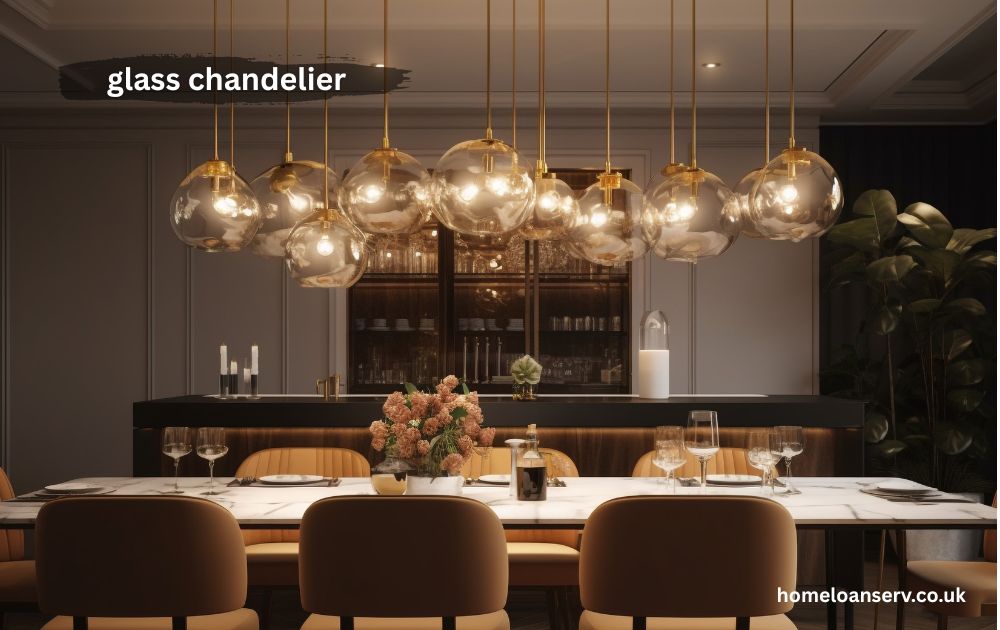
A glass chandelier is never just a fixture hanging from a ceiling; it is a small performance of light that changes the feeling of an entire room. Long before electricity, candles flickering through cut glass created a sense of warmth no other object could match. That tradition never faded, it simply evolved, and today it lives most beautifully in the work of Venetian artisans. Understanding where it comes from makes choosing one for your own home feel more meaningful.
A Legacy Rooted in Venetian Craftsmanship
The story of the murano glass chandelier cannot be separated from Venice itself, where glassmaking became so central to daily life that it shaped entire neighborhoods. Centuries ago, authorities moved all furnaces to a nearby island purely to protect the wooden city from fire, accidentally creating a self-contained world of glass mastery. Families settled there, passed their techniques to their children, and built a reputation that reached royal courts and palaces across Europe. That reputation still shapes how these chandeliers are made today.
The Island Where Glass Comes Alive
Murano itself feels like a place suspended outside of time, with canals lined by small workshops instead of souvenir shops. Walking past an open furnace door, visitors often catch a glimpse of molten glass glowing orange, stretched and shaped by tools that have barely changed in centuries. It is here that most murano glass chandeliers venice italy are still born, shaped by hands that learned the craft as children. The island does not just produce glass chandeliers, it produces a way of seeing light itself.
How These Chandeliers Are Made
Creating a glass chandelier of this kind begins with a lump of molten glass gathered at the end of a long blowpipe, heated until soft enough to shape. From there, a master glassblower works quickly, coaxing the glowing material into petals, leaves, or slender arms before it cools and hardens. Multiple pieces are often made separately and later assembled into the final structure, a process that can take weeks. Nothing about it is instant, and that patience becomes part of the chandelier’s character.
The Role of Fire and Breath in Creation
Fire is the most obvious ingredient in glassmaking, but breath plays an equally poetic role in shaping every glass chandelier. A craftsman blows gently into the pipe, and that single breath determines the thickness, curve, and sometimes even the color intensity of the glass. Too much pressure and the piece can collapse, too little and it never takes shape, so timing becomes an instinct built over years. In a real sense, every glass murano chandelier carries a literal breath of its maker inside it.
Why Every Piece Is One of a Kind
Because each element is shaped by hand rather than poured into a mold, no two glass chandeliers ever turn out identically, even from the same design. A petal might curl slightly differently, a color might pool more heavily in one spot, and these small variations are not mistakes but signatures. Collectors often value this unpredictability, since the piece hanging in one home will never be duplicated elsewhere. Owning one becomes less about decoration and more about owning an unrepeatable moment of craftsmanship.
The Beauty of Imperfection
Modern manufacturing has trained many people to expect flawless symmetry, yet handmade glass offers something more interesting than perfection ever could. A slightly uneven edge or an asymmetrical curve gives the glass chandelier a sense of movement, as though caught mid-breath rather than frozen in place. These imperfections catch light differently depending on the time of day, creating subtle shifts in mood. Over time, many owners come to love these quirks more than any perfectly matched detail.
Colors That Tell a Story
Color has always played a central role in Venetian glassmaking, with certain shades historically reserved for wealthy patrons or special occasions. Deep reds, cobalt blues, and warm ambers remain especially popular, often achieved through mineral additives mixed into the molten glass. Some murano glass chandeliers blend several colors in a single piece, creating gradients that shift gently as light passes through them. Choosing a color often becomes an emotional decision, guided less by trends and more by mood.
Clear Glass and Its Quiet Elegance
Not every chandelier needs bold color to make an impression, and clear glass pieces offer their own understated beauty. Without pigment to distract the eye, attention shifts entirely to shape, texture, and the way light bends through every curve. Clear designs tend to suit minimal interiors, where the goal is a soft glow rather than a dramatic centerpiece. Even without color, these pieces still carry the same handmade warmth that defines every glass chandelier born on Murano.
Choosing the Right Size for Your Space
Choosing the right size for a glass chandelier comes down to a few simple measurements rather than guesswork. Getting this balance right lets the piece feel like a natural part of the room instead of competing with it.
- Add the room’s length and width in feet; the sum gives a rough chandelier diameter in inches.
- Leave at least seven feet of clearance between the floor and the bottom of the fixture in walkways.
- Over a dining table, size the chandelier to about one-third the table’s width.
- In tall entryways, let ceiling height guide the drop rather than floor space alone.
Chandeliers for Dining Rooms
The dining room remains one of the most popular places to install a statement glass chandelier, since it becomes the focal point during shared meals. A piece with warm, layered colors can make gatherings feel intimate, while a clearer design keeps the space feeling bright and open. Positioning matters too, as the chandelier should hang low enough to feel present without interrupting sightlines. Done well, this single fixture can turn an ordinary dinner into something more special.
Chandeliers for Entryways and Staircases
An entryway offers a first impression, and a glass chandelier placed there often sets the tone for what a guest expects to find inside. Tall staircases pair beautifully with elongated designs, since the extra vertical space lets a piece be appreciated from multiple angles. Light filtering down through several floors can scatter reflections across walls in ways that feel almost theatrical. It is one of the few places where a larger, more dramatic chandelier truly earns its presence.
Smaller Pieces for Intimate Corners
Not every space calls for grandeur, and smaller glass chandeliers can bring the same handmade charm into quieter corners of a home. A reading nook, bathroom, or small hallway can benefit from a compact piece that still carries the artistry of Murano glass. These smaller designs often feel more personal, almost like jewelry for a room rather than an architectural feature. They prove that scale has little to do with the emotional impact a well-made chandelier creates.
Statement Pieces for Grand Rooms
For homeowners who want their lighting to make an unmistakable impression, larger and more elaborate glass chandelier designs remain an enduring choice. These statement pieces often combine multiple colors, layered arms, and intricate glasswork that rewards close inspection. Placed above a grand staircase or in a spacious living room, they become almost sculptural, drawing the eye upward before it settles elsewhere. A piece like this often becomes the single detail visitors remember most.
The Difference Between Authentic and Imitation
As demand for Venetian-style lighting grows worldwide, imitation glass chandelier pieces have become increasingly common, often produced quickly in factories far from Italy. Learning to spot the differences helps buyers invest in something that holds both beauty and value.
- Weight and thickness: Authentic glass tends to feel heavier and more substantial in hand
- Color depth: Genuine Murano glass shows richer, layered color rather than a flat, uniform tone
- Hand-finished details: Slight asymmetry or subtle irregularities point to handmade craftsmanship
- Documentation: Authentic pieces often come with a maker’s mark or certificate of origin
- Price consistency: Prices far below market norms are usually a sign of a reproduction
Why Provenance Matters
Provenance, the documented history of where and how a piece was made, adds another layer of meaning to owning a glass chandelier of this caliber. Knowing a fixture came from a specific workshop, shaped by a particular family of artisans, transforms it from a purchase into a connection to a living tradition. This history often becomes part of the story homeowners share with guests, turning the chandelier into more than just light. In many ways, provenance is what separates a beautiful object from a meaningful one.
Caring for a Murano Glass Chandelier
Proper care ensures a handmade glass chandelier continues to shine for decades, since the delicate glasswork requires a gentler touch than mass-produced fixtures. Dust should be removed regularly using a soft, dry cloth to avoid scratching the surface or dulling its shine. Harsh chemical cleaners should always be avoided, as they can damage both the glass and any decorative metal components. With consistent, gentle maintenance, these pieces remain vibrant heirlooms passed down through generations.
Cleaning Tips for Delicate Glass
Keeping a glass chandelier spotless calls for a gentle hand, since delicate glasswork chips and scratches more easily than sturdier materials. A few simple habits protect its shine for years to come.
- Wipe with a lightly dampened microfiber cloth, avoiding abrasive materials
- Handle each piece slowly to prevent chipping delicate edges
- Use a separate, gentle polish for metal frames or fittings
- Skip harsh chemical cleaners, which can dull or damage the glass
The Emotional Value of Handmade Lighting
Beyond its practical purpose, a handmade glass chandelier carries an emotional weight that mass-produced lighting simply cannot replicate. Knowing that real hands shaped every curve adds a sense of intimacy to something as ordinary as flipping on a light switch. Many owners describe a quiet sense of pride each time they walk beneath their chandelier, as though living alongside a small piece of art. This emotional connection is often what makes the investment feel worthwhile long after purchase.
A Piece That Becomes a Family Heirloom
Because glass of this quality is built to last, many glass chandeliers eventually become treasured heirlooms passed from one generation to the next. Children who grew up beneath a particular fixture often request it specifically when family belongings are divided. Attached to these pieces are memories of holidays, dinners, and everyday moments that unfolded beneath their glow. In this way, a chandelier quietly holds decades of family history within its delicate glass arms.
Bringing Venetian History Into Modern Homes
Even in thoroughly modern interiors, a Murano glass chandelier manages to feel at home rather than out of place, bridging centuries of history with contemporary design. Its handmade irregularities contrast beautifully against clean lines and minimalist furniture, creating warmth that sleek spaces sometimes lack. Designers increasingly use these pieces intentionally, choosing one bold historical element to anchor an otherwise streamlined room. The result is a space that feels curated rather than cold.
Pairing Chandeliers with Interior Styles
Matching a glass chandelier to an interior style requires balancing boldness with restraint, since these pieces naturally draw attention. In traditional interiors, ornate multi-colored designs tend to feel most cohesive with existing architectural details. In modern or minimalist spaces, simpler clear glass pieces often work better, adding texture without overwhelming the room. Regardless of style, the key is letting the chandelier complement the space rather than compete with it.
The Timeless Appeal of Murano Glass
Trends in interior design come and go, yet Murano glass has remained relevant across centuries of shifting tastes. Part of this staying power comes from the material’s flexibility, since it can be shaped into styles ranging from classical to strikingly modern. Another part comes from the craftsmanship itself, which continues to feel special in an age dominated by mass production. This timelessness is exactly why interest in the glass chandelier keeps growing rather than fading.
Why These Chandeliers Never Go Out of Style
Unlike trend-driven decor that quickly feels dated, a well-made glass chandelier tends to age gracefully alongside the home it lives in. Its handcrafted nature means it was never tied to a passing fashion moment in the first place. Instead, it exists somewhat outside of time, rooted in a tradition that predates most modern design movements by centuries. This is part of why so many homeowners view their chandelier as a lifelong investment.
A Final Thought on Choosing Light
Choosing a glass chandelier is ultimately about choosing what kind of atmosphere you want to live inside every day. A piece shaped by fire, breath, and generations of patient skill offers something far richer than simple illumination. It becomes a quiet companion to daily life, present during ordinary evenings and special occasions alike. In the end, a chandelier like this does not just light a room, it gives that room a soul.