
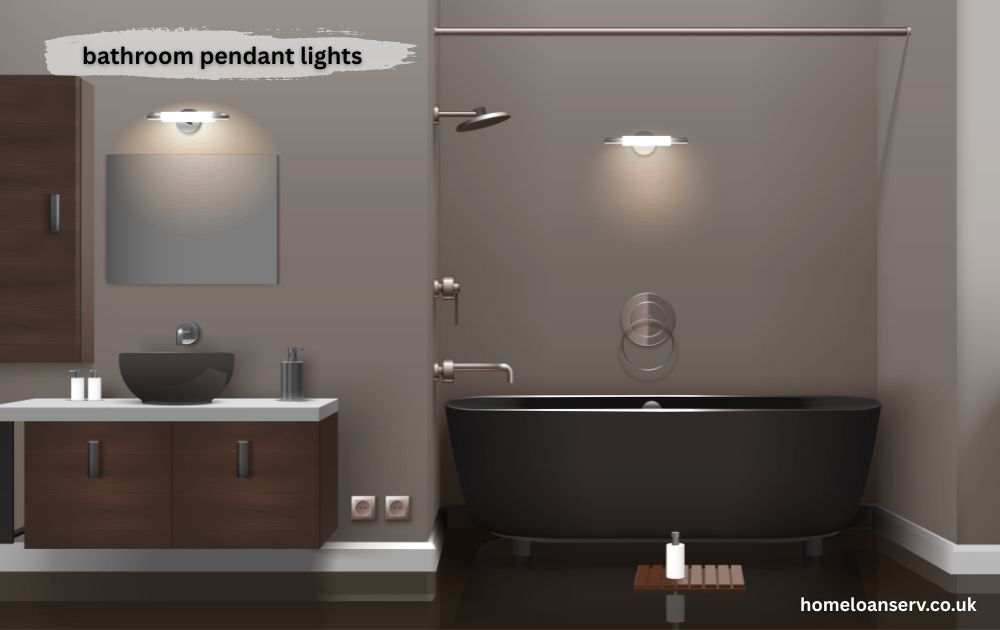
There is something quietly special about walking into a bathroom that feels thoughtfully designed, and more often than not, the lighting is what sets that feeling in motion. Bathroom pendant lights have become a favorite among homeowners and designers alike, not because they are trendy, but because they offer a rare mix of function and personality. A single fixture hanging above a vanity can soften a room that is otherwise full of tile, glass, and hard surfaces, giving it a sense of intention rather than an afterthought. This is exactly the kind of quiet upgrade that bathroom pendant lights are known for delivering.
Why Pendants Feel Different From Ordinary Bathroom Fixtures
Most bathrooms rely on recessed lighting or a plain vanity bar, and while these choices are practical, they rarely add character to the room. Bathroom pendant lights change that equation entirely, introducing shape, texture, and a bit of personality into a space that people often overlook when decorating. A pendant hangs at a level where it can actually be noticed and appreciated, unlike a flush-mounted fixture tucked into the ceiling. It becomes part of the room’s identity, and this is precisely why bathroom pendant lights stand apart from ordinary overhead lighting.
The Emotional Pull of a Well-Lit Bathroom
Lighting shapes mood far more than most people realize, and bathrooms are no exception to this quiet rule. A harsh, overly bright bulb can make even a beautifully tiled bathroom feel clinical and cold, while a softly glowing fixture invites you to slow down. Mornings feel less rushed and evenings feel more restful when the light in the room feels considered rather than accidental. This emotional layer is often the real reason people fall in love with bathroom pendant lights in the first place.
Style Versatility That Suits Any Bathroom
What makes bathroom pendant lights so appealing is their enormous range of styles, from delicate glass globes that let light spill gently in every direction, to sculptural metal shades that add drama without overwhelming the space. Because a bathroom is often compact, every design choice carries more visual weight than it would in a larger room. A single well-chosen fixture can become the quiet focal point that ties the whole space together, and this versatility is a big part of why bathroom pendant lights suit so many different design styles.
Choosing Between a Single Pendant and a Pair
One of the first decisions homeowners face is whether to install one fixture or a matching pair on either side of the mirror. Both approaches work beautifully with bathroom pendant lights, and the right choice usually comes down to your vanity’s shape and the balance you want in the room.
- Single pendant: Best for round or pedestal sinks; creates one clear focal point
- Pair of pendants: Ideal for double vanities or wide mirrors; adds symmetry and balance
- Vanity shape: A key factor in deciding between the two options
- Room feel: Choose based on whether you want a bold centerpiece or an even, balanced glow
Getting the Placement Right
Placement is where many lighting projects succeed or fall short, and bathroom pendant lights are no exception to this rule. Positioning a fixture directly above the mirror often casts unflattering shadows across the face, which defeats the purpose of good task lighting. Hanging bathroom pendant lights slightly to either side, roughly at eye level, allows illumination to wrap around the face more evenly. This small adjustment in height and angle makes a noticeable difference during everyday routines like shaving or applying makeup.
Considering the Scale of Your Space
A fixture that looks perfectly proportioned in a showroom can feel oddly oversized or too delicate once it is actually installed above your vanity. Ceiling height, mirror width, and the overall footprint of the bathroom all influence how bathroom pendant lights will read once they are in place. Taking a few careful measurements before purchasing can prevent the disappointment of a fixture that throws the whole room slightly off balance. It is a small step that saves both money and second-guessing later on.
Why Moisture Ratings Matter More Than People Expect
Bathrooms carry more humidity and moisture than almost any other room in the home, which makes fixture selection a bit more technical than it might seem at first. Bathroom pendant lights installed near a shower, tub, or anywhere within a certain distance of water sources typically need a damp or wet location rating to remain safe and long-lasting. Skipping this detail can lead to corrosion, flickering, or even electrical hazards over time. A quick check of the rating before purchase protects both the fixture and the people using it.
Layering Light for a More Balanced Room
Pendant lighting rarely needs to do all the work on its own, and in fact, bathroom pendant lights usually perform best as part of a layered lighting plan. Pairing a fixture with softer ambient lighting elsewhere in the room, such as a dimmable overhead light, allows the space to shift moods depending on the time of day. Mornings can feel bright and energizing, while evenings can feel dim and unhurried. This kind of flexibility is one of the quiet luxuries that thoughtful lighting can offer.
The Role of Color Temperature
The warmth or coolness of a bulb can quietly reshape how a room feels, and this matters just as much for bathroom pendant lights as it does for any other fixture. Choosing the right tone helps the space feel either cozy and calm or crisp and energizing, depending on the time of day.
- Warm white (2700K–3000K): Cozy, flattering, ideal for evening routines
- Neutral white (3500K–4000K): Balanced and clear, good for everyday grooming
- Cool white (5000K+): Bright and energizing, best suited for quick morning routines
- Dimmable options: Let bathroom pendant lights shift tone throughout the day
Pendants in Small Bathrooms
There is a common misconception that bathroom pendant lights only belong in large, spacious bathrooms, but smaller spaces often benefit from them just as much, if not more. A slim, narrow fixture can draw the eye upward, making a compact room feel slightly taller and more open. In tighter layouts, a single well-placed fixture can do the visual work that several smaller lights might otherwise attempt. The key is choosing a scale that complements the room rather than competing with it.
Pendants in Larger, More Open Bathrooms
In spacious bathrooms, particularly those with double vanities or freestanding tubs, bathroom pendant lights have room to make a bolder statement. Larger fixtures, or a series of matching pendants spaced along a long vanity, can anchor the room and prevent it from feeling empty or under-designed. These bigger spaces allow for more experimentation with scale, drama, and even unconventional shapes. The generous square footage gives fixtures the freedom to become a true design centerpiece rather than a subtle accent.
Matching Pendants to Existing Hardware
For a bathroom to feel cohesive, it often helps for the finish of your bathroom pendant lights to relate in some way to the other hardware in the room, such as faucets, drawer pulls, or mirror frames. This does not mean everything needs to match exactly, since a mix of complementary tones can look intentional and layered rather than mismatched. A little bit of contrast, when handled carefully, can actually make the fixture stand out as a deliberate design choice. The goal is harmony, not uniformity, throughout the space.
The Practical Benefits of Better Task Lighting
Beyond aesthetics, there is real practical value in choosing bathroom pendant lights that are positioned thoughtfully around the vanity area. Reduced shadowing across the face makes everyday grooming tasks noticeably easier and less frustrating. People who wear makeup or need precise lighting for skincare routines often notice the difference immediately once a fixture is installed at the correct height. This kind of function-first thinking is part of why bathroom pendant lights have moved from a purely decorative trend into a genuinely practical upgrade.
Materials and Textures Worth Considering
Bathroom pendant lights come in a wide variety of materials, including brushed metal, blown glass, woven rattan, and matte ceramic, each bringing its own texture and mood to the room. Glass options tend to feel airy and light, letting brightness spread softly through the space. Metal or ceramic choices often bring a bit more weight and structure, which can suit bathrooms with a more grounded, earthy aesthetic. Choosing a material that resonates with the rest of the home’s design language helps the fixture feel like a natural extension of the space.
Installation Considerations Before You Commit
While bathroom pendant lights can transform a room, it is worth thinking through installation details before falling in love with a particular fixture. Some pendants require professional electrical work, especially if new wiring or a junction box needs to be added near the vanity. Others are simpler to install if the bathroom already has existing overhead wiring nearby. Planning ahead, and consulting an electrician when needed, helps avoid surprises once the renovation or update is underway.
A Small Update With a Meaningful Impact
Bathroom pendant lights are proof that even the smallest rooms deserve a little care and consideration. They are not just a source of light, but a quiet expression of style, comfort, and everyday ease. Whether you are renovating fully or simply refreshing a tired space, adding thoughtful bathroom pendant lights is one of those small changes that ends up making a much bigger difference than expected. It turns a functional bathroom into a space that feels genuinely welcoming, every single day.