What an Emergency Home Repair Program Really Means
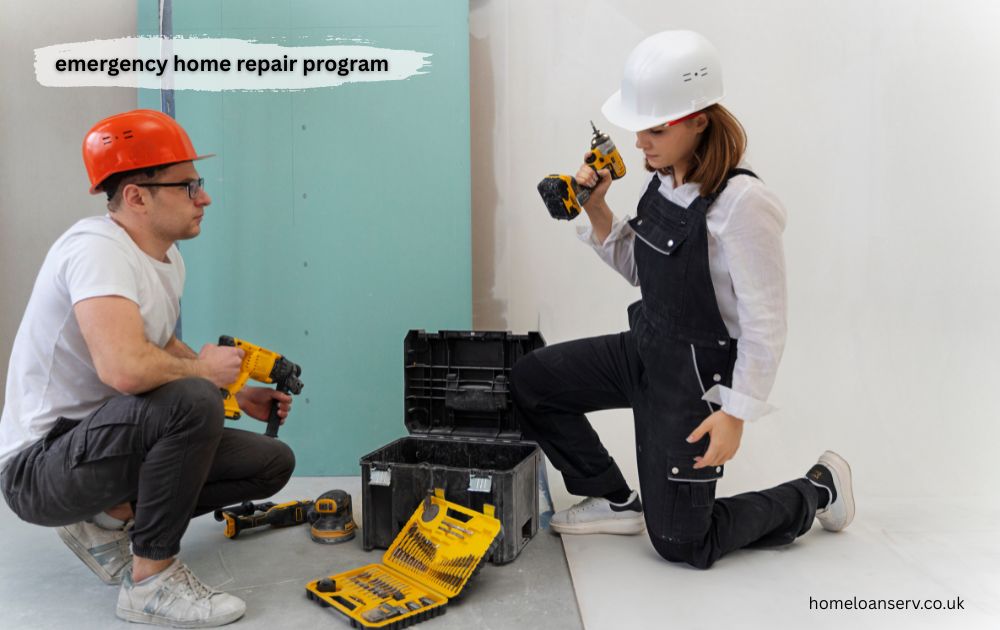
An emergency home repair program is targeted assistance built for one moment: when something inside a home breaks in a way that threatens a person’s health or safety, and there is no time to save up for the fix. Unlike general home improvement grants, these programs are not meant for cosmetic upgrades. They exist for the roof that is actively leaking, the furnace that has stopped working in freezing weather, or wiring that has become a genuine fire risk. The goal stays the same, to keep a family safely inside the home they already have.
Why These Programs Exist
Housing is one of the most fragile parts of a household budget, and a single unexpected repair can undo years of careful financial planning. For families living paycheck to paycheck, a five-thousand-dollar air conditioning replacement simply does not fit into a monthly budget. Emergency home repair programs exist to prevent a temporary setback from turning into a permanent loss of housing, stepping in before conditions worsen enough to threaten the stability of the people living inside.
Who These Programs Are Designed to Help
Most emergency home repair programs are built around income eligibility, typically serving households earning at or below eighty percent of their area’s median income. Special attention usually goes to seniors on fixed incomes, people with disabilities, and families raising young children, since these households are least able to absorb a sudden repair cost. Homeowners generally must occupy the home as their primary residence, and many programs also require a minimum period of ownership before applying.
What Counts as a True Emergency
Not every home repair qualifies for help from an emergency home repair program, and understanding the distinction matters before applying. A cracked driveway or outdated kitchen would not typically meet the bar, but a home with no working heat in winter, no working air conditioning in extreme summer heat, or an entrance inaccessible to someone with a mobility limitation usually will. Active roof leaks, exposed electrical hazards, and failing plumbing that creates unsafe conditions are also common qualifying issues.
How These Programs Are Funded
Behind nearly every emergency home repair program sits federal funding, most often channeled through the U.S. Department of Housing and Urban Development. Programs like Community Development Block Grants and the HOME Investment Partnerships Program provide the dollars, while county governments or nonprofit partners manage applications and coordinate contractors. Because this funding arrives in limited annual amounts, availability can shift with the season, and some counties maintain waiting lists once funds are fully committed.
The General Application Journey
While the specifics vary from county to county, most emergency home repair programs follow a similar path. A homeowner typically contacts the county housing department or an approved nonprofit directly, then completes an application with proof of income, proof of homeownership, and documentation describing the emergency. An inspector often visits to confirm the severity of the issue, and approved projects are matched with a vetted local contractor.
Forsyth County’s Approach to Emergency Repairs
In Forsyth County, North Carolina, the local emergency home repair program is delivered through the county’s Housing Rehabilitation program, which includes a dedicated Urgent Repair effort for households facing an immediate threat to health or safety. This branch was created for situations that cannot wait for a standard renovation timeline, such as a family at risk of losing their home to unsafe conditions. The county’s Community and Economic Development Department moves these cases forward as quickly as possible, reflecting a broader commitment to keeping longtime residents safely in the homes they own.
Eligibility Requirements in Forsyth County
To qualify for Forsyth County’s emergency home repair program, applicants generally must own and occupy the home and fall within the county’s income guidelines, typically around eighty percent of the area median income. Homeowners must also show they cannot afford the repairs through traditional financing and cannot complete the work themselves due to age, disability, or another qualifying circumstance. A completed application with supporting documentation, such as proof of ownership and income verification, is required before a case can move forward.
The Kinds of Repairs Forsyth County Prioritizes
Forsyth County’s emergency home repair program, known locally as the Urgent Repair Program, is reserved for conditions that pose an imminent threat to life or safety rather than general wear and tear. Common examples include an active roof leak, a complete lack of central heating or air conditioning, and entry points inaccessible to someone with a mobility impairment. Accessibility modifications, such as a wheelchair ramp or a low-threshold entryway, are also frequently covered, keeping the focus narrow and intentional.
How Forsyth County Ranks Applicants in Need
Because demand regularly outpaces the funding behind the emergency home repair program, Forsyth County places applicants on a waiting list ranked by the severity and urgency of their situation. Households facing an active risk of eviction due to a documented health or safety issue, supported by a doctor’s letter or eviction notice, are given the highest priority. The county also factors in how long an applicant has already waited, making sure the most urgent cases are reached first even when resources are limited.
Habitat for Humanity’s Role in Forsyth County
Working alongside the county’s official emergency home repair program, Habitat for Humanity of Forsyth County operates its own Home Repair Program for income-qualified homeowners. While not itself classified as an emergency program, its mission closely mirrors the county’s goals, addressing conditions that threaten a home’s safety, accessibility, or structural integrity. Applicants must meet similar income guidelines and show they cannot complete the repairs on their own, widening the safety net available to Forsyth County residents.
Gentle Repayment Terms in Forsyth County
One detail that sets Habitat for Humanity’s version of the emergency home repair program apart is its repayment plan, offered as a loan with zero percent interest. Rather than a fixed monthly payment that might strain an already tight budget, terms are shaped around what each homeowner can realistically afford. This reflects an understanding that many households seeking help are seniors or families on limited, fixed incomes, allowing them to receive repairs without a burden that could threaten their stability.
Introducing the Maricopa County Emergency Home Repair Program
Across the country in Arizona, Maricopa County runs its own Emergency Home Repair Program, first established in 2021 to respond to a specific and pressing local need. The program assists homeowners facing urgent health and safety conditions, particularly when those conditions are not already covered by other assistance. Early funding came through the American Rescue Plan Act, allowing the county to move quickly as the need became visible during punishing summer heat, and it has continued serving homeowners as funding allows.
Why Extreme Heat Raises the Stakes in Maricopa County
Arizona’s desert climate gives Maricopa County’s emergency home repair program a particular urgency that differs from many other regions. When an air conditioning system fails during a Phoenix-area summer, indoor temperatures can become dangerous within hours, especially for young children, seniors, and people with existing health conditions. A non-functioning heating or cooling system is treated as one of the program’s top priorities, since restoring climate control quickly can be a matter of basic medical safety.
Who Qualifies for Help in Maricopa County
Eligibility for Maricopa County’s emergency home repair program generally requires that applicants earn at or below eighty percent of the area median income and both own and occupy the property as their primary residence. Homeowners are typically expected to have lived in the home for at least one year, and the property must fall within the program’s designated service area. Applicants also need a genuine, qualifying repair need rather than a general home improvement request, helping the county direct limited funding toward the greatest risk.
The Repairs Maricopa County Focuses On
While non-functioning air conditioning and heating systems remain the central focus of the emergency home repair program, it can also address a broader range of urgent issues when funding allows. This has included major home systems such as roofing, plumbing, and electrical work, along with repair or replacement of essential appliances like refrigerators, stoves, and water heaters. Moisture-related problems, including mold and standing water, are also eligible, with every category tied directly to a household’s basic health and safety.
Priority Given to the Most Vulnerable Households
Recognizing that not every household faces the same level of risk, Maricopa County’s emergency home repair program gives priority to homes that include at least one senior, a child aged six or under, or a person with a disability. These groups are widely understood to be more physically vulnerable to extreme temperatures and unsafe conditions, making a delayed repair far more dangerous for them. It is a small adjustment with a meaningful impact on who gets served first.
A Story That Shows What the Program Means
Behind the eligibility rules are real families, like a Chandler homeowner whose air conditioning unit, more than two decades old, finally failed after her husband’s passing. Newly retired and facing rising costs everywhere else, she had no way to cover a full system replacement. The county’s emergency home repair program stepped in and completed the repair, saving her several thousand dollars she simply did not have, a quiet reminder that these programs are measured in peace of mind restored.
Funding Limits and Why Timing Matters
Because every emergency home repair program in both counties relies on a fixed pool of public funding each year, availability is never guaranteed and can change with little warning. Programs sometimes pause new applications once a budget is fully committed, only reopening in a new funding cycle. This makes timing important for homeowners who may need help, since applying early gives a case more room to be reviewed before resources run out.
Tips for a Smooth Application
Applying to an emergency home repair program does not have to feel overwhelming when a homeowner knows what to prepare in advance. A little organization upfront often means a faster, smoother review. A few things that help along the way:
- Gather proof of homeownership and recent income documentation before starting
- Collect evidence of the emergency, such as photos or a contractor’s note
- Respond promptly to any follow-up requests from the housing department
- Call ahead to ask about current funding availability
The Quiet Dignity These Programs Protect
Beyond the repairs themselves, an emergency home repair program offers something harder to measure but just as important: dignity. For a senior who has lived in the same house for decades, or a parent keeping a stable home for young children, losing that home to disrepair can feel like losing far more than four walls. These programs let people stay rooted near neighbors and support systems they have relied on for years, so a repaired roof is never just about the house itself.
Looking Beyond These Two Counties
While Forsyth County and Maricopa County offer two clear examples, an emergency home repair program of some kind exists in counties and cities across the country, each shaped by local needs and funding. Some regions lean more heavily on nonprofit partners, while others run programs directly through a county housing department. The names and thresholds may differ, but the underlying purpose stays consistent, and homeowners elsewhere are encouraged to search for their own local housing rehabilitation or community action agency.
Final Thoughts on Asking for Help
Reaching out to an emergency home repair program can feel uncomfortable, especially for homeowners who have always managed on their own. But these programs were built precisely for moments like this, when a sudden failure threatens more than comfort, but safety itself. Asking a county housing office a simple question, or calling a local nonprofit, costs nothing and often opens a door that felt closed moments before. No home should be lost to a broken furnace or a failing roof when help may already be waiting nearby.