
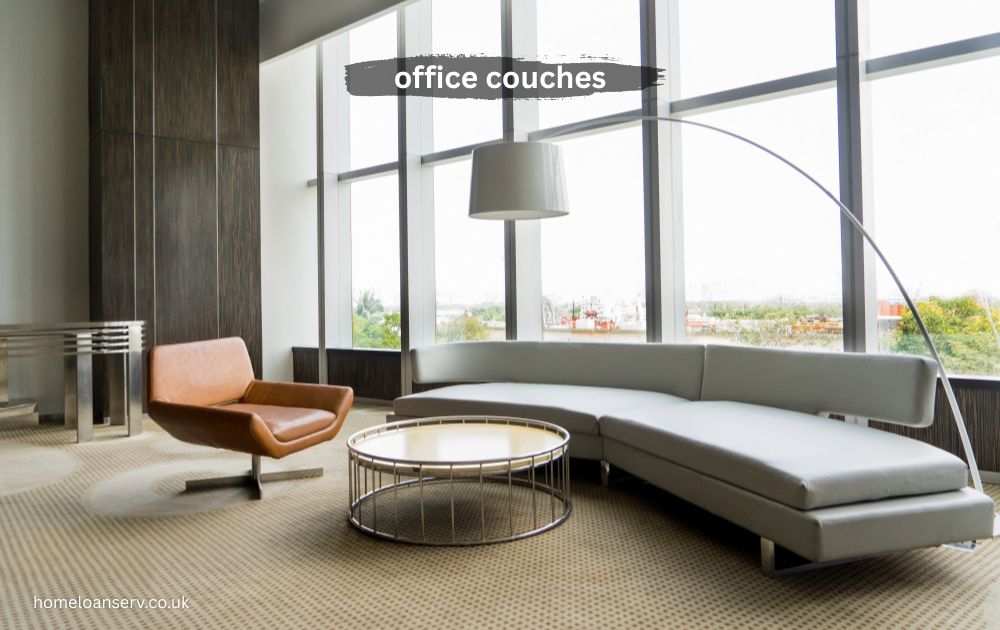
Why Comfort at Work Quietly Matters
Most workplaces focus heavily on desks, monitors, and meeting rooms, yet comfort is often the piece that gets forgotten. People spend long hours seated, moving between tasks, and rarely pause to rest their minds. Office couches gently interrupt that pattern by offering a place to sit that isn’t tied to productivity at all. They invite a short breath, a moment of stillness, and a small return to ease. Over time, these quiet pauses shape how people feel about the space they work in every day.
The Emotional Tone Office Couches Set
Office couches change the feeling of a room the moment they appear. Instead of rows of chairs and hard surfaces, there is suddenly a spot that feels soft, human, and unhurried. Visitors notice it, employees settle into it, and the overall atmosphere becomes less clinical. This shift matters more than it seems, because people respond to their surroundings emotionally long before they respond to them logically. Comfortable office couches quietly tell everyone that the space was designed with people in mind, not just tasks.
Small Office Couches, Meaningful Presence
For workplaces with limited room, small office couches prove that comfort does not require abundant space. A compact two-seat design can slip into a narrow corner, a quiet hallway nook, or a small lounge without overwhelming the layout. Even in modest home offices, petite office couches create a distinct zone for rest that feels separate from the desk. Their size becomes an advantage rather than a limitation, allowing comfort to exist even where square footage is scarce.
Choosing the Right Size for the Room
Selecting the right size among office couches starts with an honest look at the available space and how people naturally move through it. The goal is always office couches that feel like a natural part of the room, not an obstacle people have to work around.
- Measure the room, including doorways and clearance space, before choosing office couches
- Avoid sizes that crowd walkways or block natural movement
- Skip pieces so small they feel forgotten or go unused
- Leave enough space around office couches for people to sit comfortably
Materials That Support Daily Use
Office couches face frequent use, spilled coffee, and the occasional forgotten pen mark, so fabric choice matters a great deal. Durable, breathable materials tend to hold their shape and color far longer than delicate fabrics meant for quiet living rooms. Many workplaces now choose office couches upholstered in performance fabrics that resist stains while still feeling soft to the touch. Leather and faux leather remain popular too, since they wipe clean easily and develop a pleasant, worn character with time and use.
Cushion Firmness and Everyday Comfort
The firmness of a cushion shapes how office couches feel within the first few seconds of sitting down. Seating that is too soft can feel like sinking into an obstacle rather than settling into rest, while cushions that are too firm may discourage anyone from staying seated at all. A balanced middle ground tends to work best for shared office spaces, offering support without sacrificing softness. Testing a few office couches in person, when possible, remains the most reliable way to judge true comfort.
Color and Style That Fit Naturally
Color choice influences whether office couches feel like a welcome addition or an odd interruption in the room. Neutral tones such as gray, beige, or soft blue tend to blend easily with most office palettes, while bolder colors can add character to spaces that already feel warm and personal. Style matters too, since office couches with clean, simple lines often suit modern offices better than ones with ornate detailing. The best choice is a couch that feels like it belongs, rather than one that stands apart.
Where Office Couches Work Best
Placement plays a quiet but important role in how often office couches get used. A couch tucked into a rarely visited corner may go unnoticed, while one placed near natural light or a window tends to draw people in throughout the day. Proximity to a break room, a reading nook, or a casual meeting spot also increases its everyday value. Thoughtful placement transforms office couches from a decorative piece into a genuinely useful part of daily office life.
Office Couches in Reception Areas
In reception areas, office couches serve as the very first impression a visitor receives. Soft, well-chosen office couches tell guests they are welcome to relax rather than simply wait. They also give employees a comfortable spot to sit during informal conversations before a meeting begins. A reception area without seating can feel rushed and impersonal, while one with thoughtful office couches feels considerate and calm from the very first step inside.
Office Couches in Break Rooms
Break rooms benefit enormously from the presence of office couches, since this is often where people truly step away from their tasks. Comfortable seating encourages longer, more genuine breaks rather than rushed five-minute pauses at a desk. It also creates a natural gathering spot where colleagues can chat, eat lunch, or simply sit quietly for a few minutes. Over time, break room office couches become one of the most appreciated pieces of furniture in the entire office.
Office Couches as Informal Meeting Spaces
Not every conversation needs a conference table and a projector screen. Office couches create a relaxed setting for brainstorming sessions, one-on-one check-ins, or quick catch-ups between colleagues. The informal seating often softens the tone of a conversation, making it feel more like a discussion than a formal review. Many teams find that their best ideas surface not at a desk, but while sitting comfortably together on office couches, away from the usual pressure of a meeting room.
Supporting Mental Wellbeing Through Rest
Small moments of rest throughout the day contribute meaningfully to mental wellbeing, even if they last only a few minutes. Office couches give people permission to step away without needing to leave the building entirely. This kind of accessible rest can ease stress, reduce fatigue, and offer a gentle reset before returning to focused work. Providing comfortable office couches shows a quiet form of care toward employees, acknowledging that people function better when they are given room to pause.
Sustainability and Long-Term Value
Choosing well-made office couches is also a sustainable decision, since durable furniture avoids the need for frequent replacement. Investing in solid frames, quality cushioning, and resilient fabric extends the lifespan of the piece significantly. Some companies also choose office couches made from recycled materials or sustainably sourced wood, aligning furniture choices with broader environmental values. Office couches built to last not only save money over time but also reduce unnecessary waste in the workplace.
Maintenance and Care Tips
Keeping office couches in good condition requires only a little consistent care. With a few simple habits, office couches can stay comfortable, clean, and presentable for years of daily office use.
- Vacuum regularly to remove dust and crumbs before they settle into the fabric
- Spot-clean spills right away to keep office couches looking fresh
- Rotate cushions evenly to prevent uneven wear over time
- Keep office couches out of direct, prolonged sunlight to avoid fading
Ergonomics Beyond the Desk Chair
Most conversations about workplace ergonomics stop at the desk chair, yet the body needs variety throughout the day, not a single fixed posture. Sitting on office couches shifts weight distribution, relaxes the spine differently, and gives tired muscles a brief change of position. This kind of movement, even something as simple as switching seats for twenty minutes, can ease the stiffness that builds from hours of desk work. Office couches become a quiet ergonomic tool in their own right, offering the body a different kind of support than a traditional office chair ever could.
Budget Considerations Without Sacrificing Comfort
Furnishing an office with comfortable seating does not require an unlimited budget. Many manufacturers now offer office couches at a range of price points, allowing smaller businesses to find something suitable without overspending. Prioritizing key factors such as frame durability and fabric quality often matters more than chasing a particular brand name. Modest, well-chosen office couches can outperform costlier ones if they are simply better suited to the space and the people who will use them daily.
Office Couches for Hybrid and Remote Teams
As more teams split their time between home and office, office couches have taken on new meaning in shared workspaces. Employees who work remotely most days often value a comfortable spot to settle into during the occasional in-person visit, rather than a rigid desk setup. Office couches offer a relaxed landing point for laptop work, informal calls, or quiet reading between scheduled meetings. In this way, they support a more flexible, less rigid rhythm that mirrors how hybrid teams actually move through their day.
Personalizing the Space With Small Touches
Office couches rarely stand alone; they usually anchor a small collection of details that make a space feel complete. A soft throw pillow, a nearby side table, or a warm reading lamp can turn a simple seating area into a genuine retreat. These small additions do not need to be expensive to make a noticeable difference in how inviting the space feels. Personalizing the area around office couches helps them feel less like leftover furniture and more like an intentional part of the office.
Accessibility and Comfort for Everyone
Thoughtfully chosen office couches also consider who will be sitting on them, including people with different mobility needs. Seat height, firm support, and sturdy armrests can make it easier for people to sit down and stand back up comfortably. Avoiding overly low or overly soft designs helps ensure office couches remain welcoming to as many people as possible. Accessibility, in this sense, becomes part of genuine comfort rather than a separate consideration added as an afterthought.
Trends That Come and Go
Furniture trends shift regularly, but comfort and durability tend to outlast passing styles. Office couches chosen purely for a trendy appearance may feel outdated within a few years, while ones chosen for genuine comfort and quality construction tend to remain relevant much longer. Simple, versatile designs age gracefully and adapt more easily to changing office layouts or color schemes. Focusing on lasting qualities rather than momentary trends tends to serve a workplace far better over time when selecting office couches.
Bringing Teams Closer Together
Shared seating has a quiet way of drawing people closer, both physically and socially, in ways a row of individual desks never can. Sitting side by side on office couches tends to soften hierarchy, making conversations between managers and team members feel more relaxed and equal. Colleagues who might otherwise only exchange emails often find themselves chatting casually while sharing office couches. This small shift in dynamic can strengthen relationships across a team, one unplanned conversation at a time.
A Small Addition, A Meaningful Difference
In the end, the presence of office couches reflects something larger than furniture choice alone. It shows a quiet understanding that people need moments of rest, comfort, and connection throughout their day. Whether they are small office couches fitted into a cozy corner or full-sized pieces anchoring a shared lounge, their value lies in the comfort they offer. Choosing office couches thoughtfully, with attention to size, material, placement, and the people who will use them, is ultimately a small, gentle way of caring for everyone who spends their days within that space.